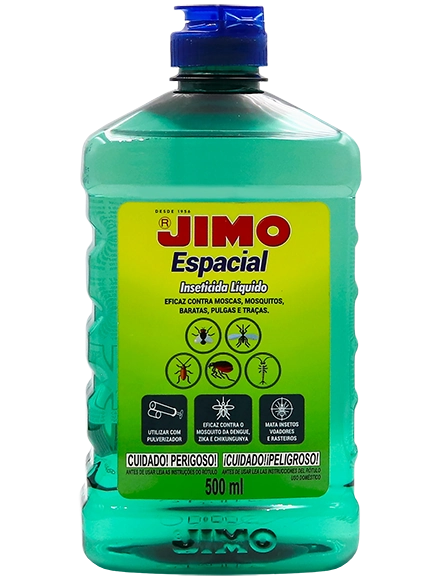
Controlling insects at home goes far beyond practicality: it is a matter of well‑being and safety. When used with the right products and applied correctly, chemical control is the most effective method to prevent urban pests and the damage they cause in your home.
With more than 70 years of experience, JIMO has developed the Linha Mata Insetos, which combines tradition and technology in spray, powder, fumigant, water‑based and other formats, adapted to different types of infestations.
In this guide, you’ll understand how insecticides work, when to choose multi‑purpose or specific products, and which formats offer better coverage—always with safe and responsible use guidelines recommended by our technical team.
What is insecticide?
Insecticide is the term used to describe any product developed to eliminate or control insects, but its application varies depending on the environment and the purpose.
In domestic use, insecticide is part of hygiene and prevention routines in homes and establishments, helping prevent infestations of urban pests such as:
- cockroaches;
- mosquitoes;
- ants;
- moths;
- fleas and mites.
These products are formulated to offer effectiveness and safety, respecting toxicity limits and usage instructions determined by Anvisa.
Agricultural insecticides have a similar function (insect control), but they are designed for crop management, with different formulations and concentrations regulated by other agencies (such as the Ministry of Agriculture).
While crop products act over large areas on plant cultures, domestic insecticides are designed for indoor environments, using active ingredients and solvents appropriate for human and animal presence.
In practice, both act through direct contact and/or residual action, but domestic versions are adjusted for safe use in small areas, preserving comfort and routine, as seen in Linha Mata Insetos JIMO, a reference in urban pest control.
What does insecticide do to insects?
The product acts on the insect’s nervous system, interfering with sodium channels in the cells and causing the knockdown effect—an immediate paralysis that leads to death.
This technology ensures high efficiency with low concentrations of active ingredient, safe for home use when applied according to the label.
Types of insecticide: natural vs. synthetic
Formulations may be classified according to the origin of their active ingredients—natural or synthetic—and this choice influences both performance and suitability for the environment.
The natural version usually comes from active ingredients extracted from flowers, such as chrysanthemum, whose pyrethrin is known for fast action and low environmental persistence.
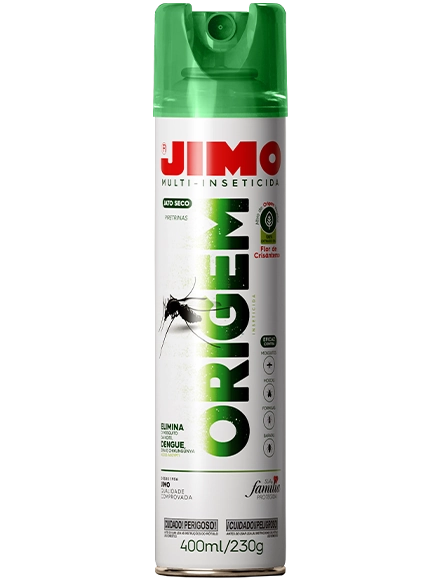
JIMO has a notable presence in this segment with JIMO Origem, which contains a 100% natural flower‑derived active ingredient, designed for those seeking a plant‑based solution for flying and crawling insects.
On the other hand, insecticides containing synthetic pyrethroids (molecules developed for greater stability and duration) are ideal for long‑lasting maintenance and more complex infestation scenarios.
Although different in composition, both approaches are considered safe when applied according to the label. The choice between natural or synthetic will depend on factors such as environment type, frequency of use and level of infestation.
History and evolution of insecticides in Brazil
Since their early formulations, insecticides have undergone major transformation. Initial versions based on natural pyrethrin extracted from flowers like chrysanthemum paved the way for the development of more stable synthetic pyrethroids.
Over time, scientific advances brought new molecules and concentration adjustments, increasing effectiveness and safety in home use. These updates became essential, as insects can develop resistance to certain active ingredients, requiring continuous formula renewal.
JIMO has followed this evolution for more than seven decades, investing in research and development to enhance product performance, maintaining a balance between effectiveness, innovation and consumer safety. As noted by chemist and R&D specialist Leonardo Linck:
Constant updating of active ingredients is what ensures each product maintains peak performance, even against the natural resistance of pests. It is a continuous process of research and fine adjustment.
This dedication ensures the brand remains a reference in innovation and reliability, preserving its tradition in urban pest control since 1951.
Main insecticide formats and when to use each one
Just as formulas evolve, so do presentation formats. Each of the formats available on the market focuses on a different type of infestation, offering practicality and effectiveness depending on the need. Below are four main types:
Spray or aerosol: practical application and precision
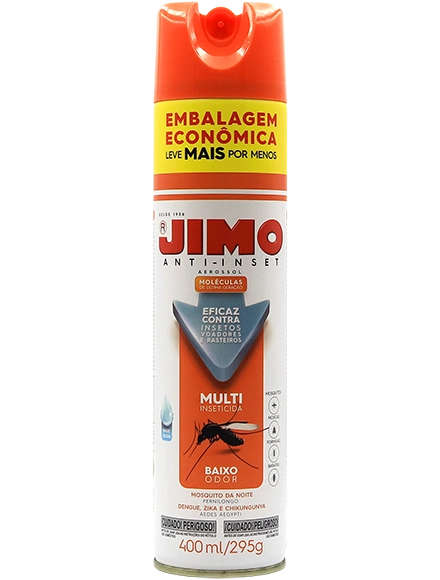
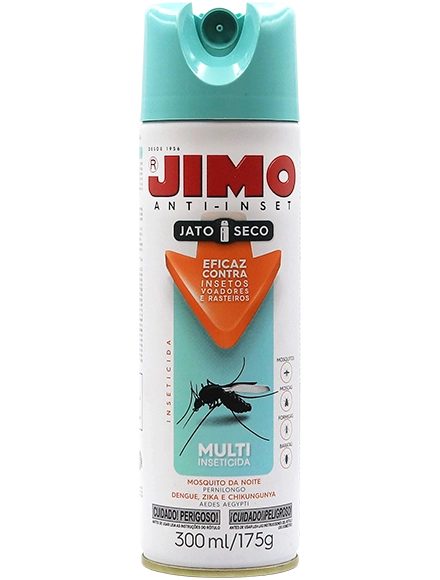
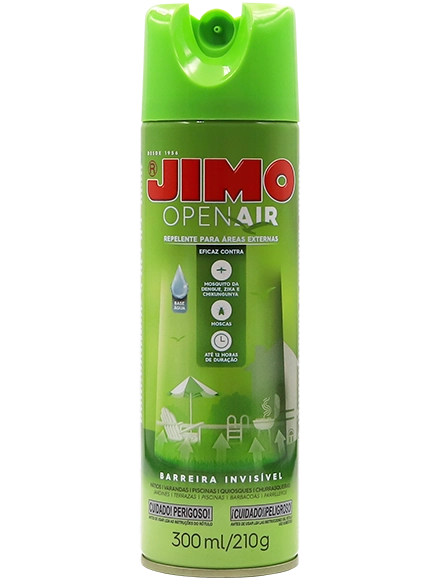
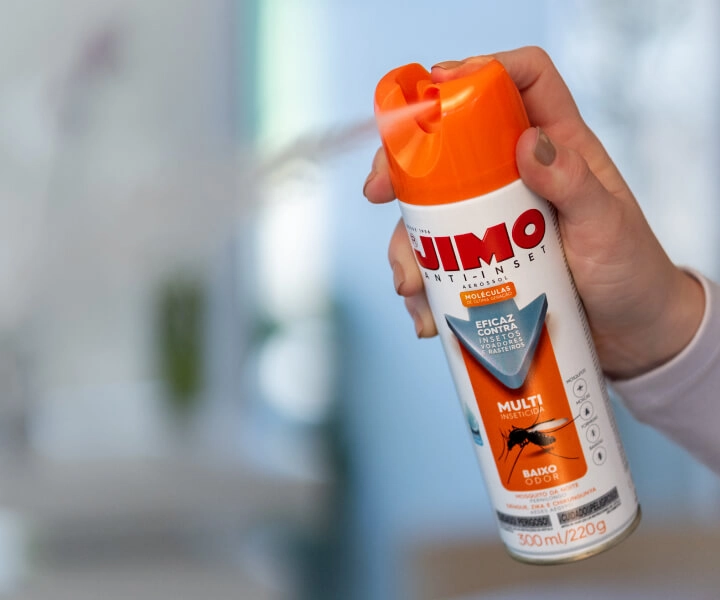
The spray or aerosol insecticide is the most versatile format, ideal for direct and localized application. It works quickly on moving insects and forms a protective barrier on treated surfaces.
Because it is directional, the spray provides control and efficiency, reaching cracks, baseboards and corners where pests typically hide. After application, it is important to ventilate the area and wait for the reentry time indicated on the label.
Insecticide powder: long‑lasting action in dry areas
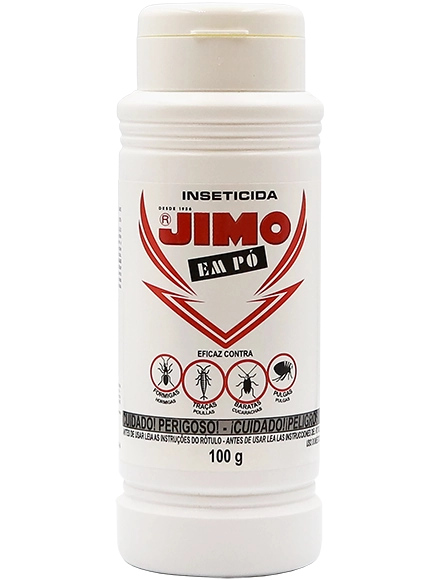
The insecticide powder is recommended for dry locations and insect pathways such as drains, behind appliances and hard‑to‑reach corners. It provides long‑lasting action and supports continuous control strategies.
Because it does not depend on solvents, the powder works through contact and remains effective even when insects encounter small amounts of the product. The ideal application is a thin layer without excess, and moist surfaces should be avoided.
Tablets, coils and electric devices: prevention and comfort
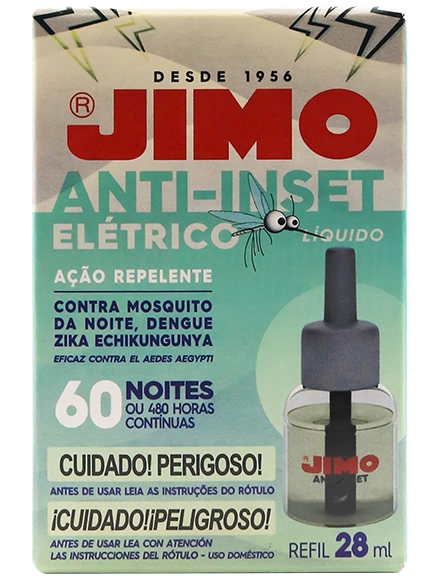
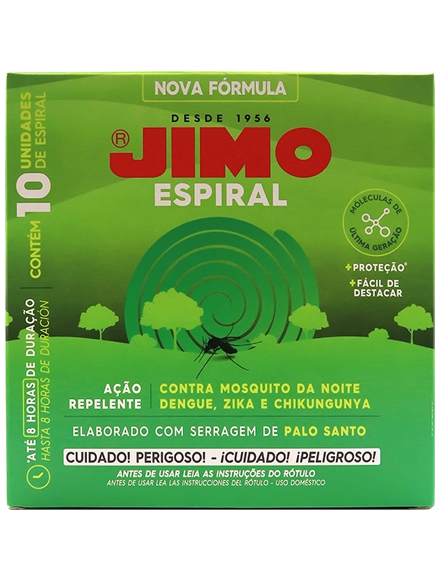
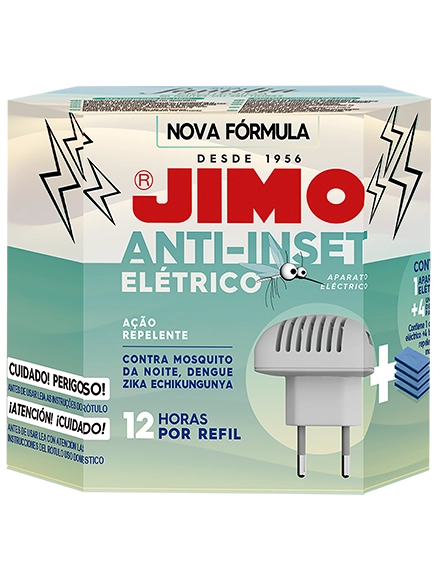
Continuous‑release formats such as tablets, coils and electric devices act primarily as repellents, helping keep mosquitoes and flying insects away.
They are recommended for ventilated environments and daily use, especially in warm regions. Although useful for prevention, they do not replace chemical infestation control.
Fumigant (gas): full coverage and crack reach
Fumigant insecticides are formulated to release a fine mist or smoke that carries the active ingredient through the air, reaching even the smallest cracks and enclosed spaces where spray or powder cannot reach effectively.
This type of application ensures even distribution of the product and a flushing effect that expels and eliminates hidden pests. The format is recommended when full coverage of the environment is needed, especially in areas where insects hide in structures, spaces or furniture.
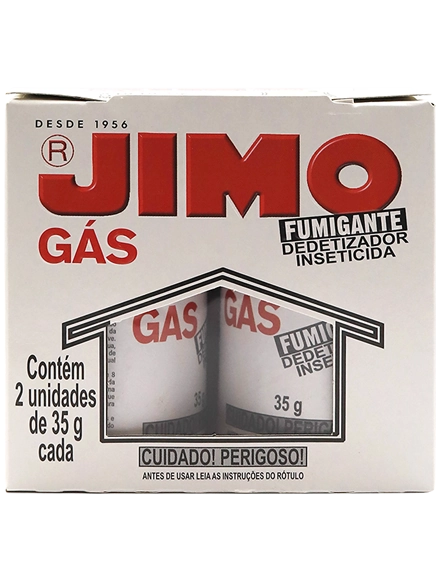
JIMO uses this concept in technologies such as JIMO Gás, which represents an advancement in indoor insect control, combining reach, practicality and safety. As highlighted by Leonardo Linck, JIMO’s R&D chemist:
The smoke carries the active ingredient to every corner of the environment, ensuring uniform and effective results. It is a practical, far‑reaching form of fumigation.
It is the ideal option for complete fumigation, with lethal action, reaching points that other formats cannot. Its use must follow label safety instructions: remove people and animals, keep the environment closed for 8 hours and ventilate before returning.
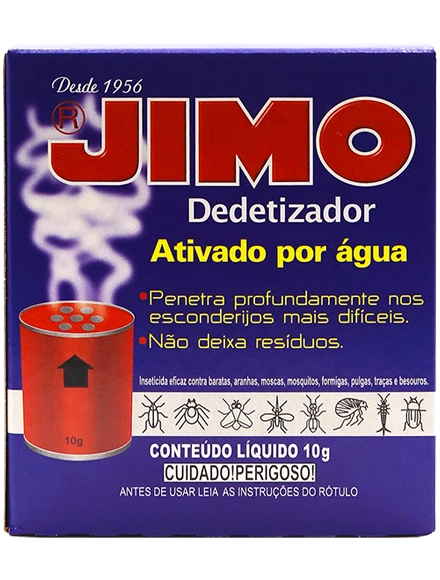
In addition, one of the differentials of the Linha Mata Insetos is the water‑activated fumigant, which requires no combustion because it is activated with water, using Japanese technology focused on fewer residues. It combats the same pests with the same efficiency, but with easier application.
What is the “strongest” insecticide and how to choose according to the pest?
There is no single “strongest insecticide”—the ideal product is the one most appropriate for the infestation type. In general, multi‑insecticides have the advantage of acting on several pests at once, such as cockroaches, ants, termites and mosquitoes, making them ideal for environment maintenance.
Specific products, on the other hand, are formulated for a target insect, providing faster initial action and more precise control. Below are seven major pests that can be controlled with the right products, how to use them and more:
Cockroaches
Cockroaches cockroaches are nocturnal and resistant insects that hide in cracks, drains and baseboards. Insecticides act through direct contact and chemical residue, forming a protective barrier in the environment.
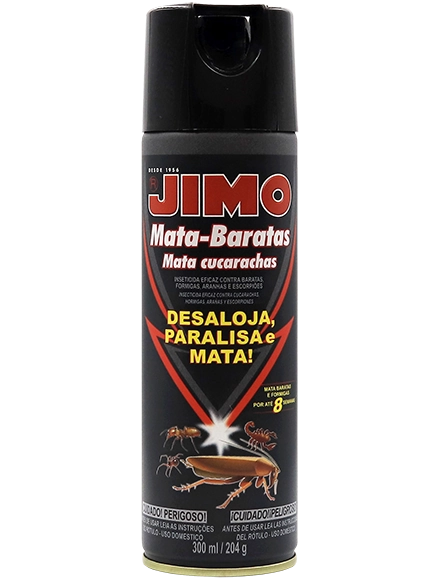
For greater effectiveness, it is recommended to apply JIMO spray or powder insecticide in passageways, behind appliances and inside cabinets. Regular cleaning and sealing gaps help prolong effects. Specific products such as mata‑baratas are formulated for fast knockdown, acting within seconds after contact.
Mosquitoes and gnats
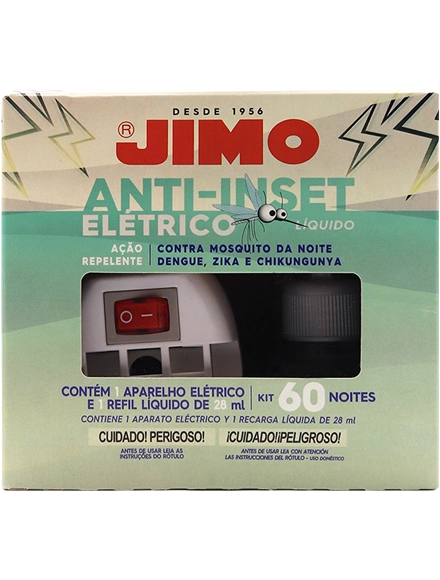
Besides being bothersome, mosquitoes can transmit diseases such as dengue, making it essential to combine insecticide use with preventive practices. In this case, recommended products include water‑based multi‑insecticides, dry spray and electric insect repellents.
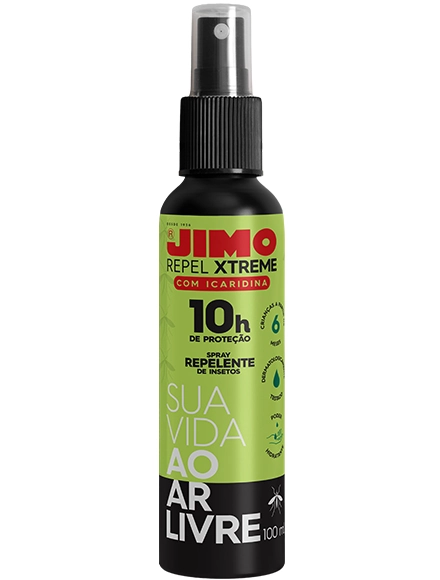
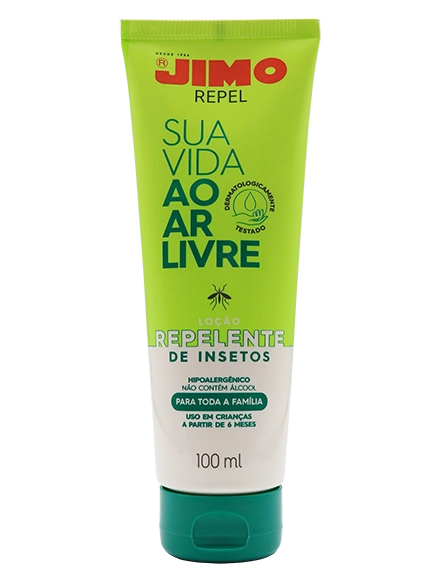
For personal protection, it is recommended to use repellents in addition, keeping in mind that repellents do not eliminate insects, only repel them temporarily.
Moths
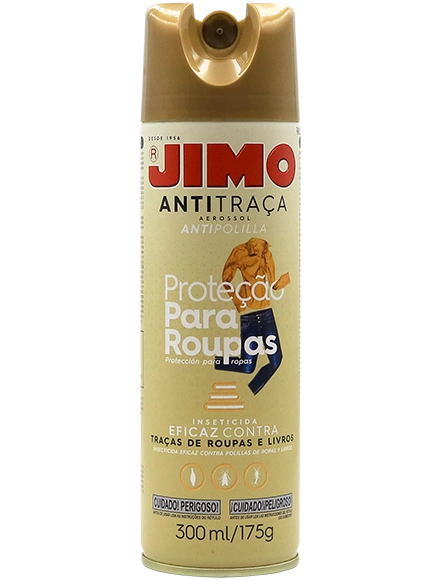
Moths moths develop in dark, poorly ventilated places such as closets and wardrobes. JIMO offers complementary solutions: for control, the recommended product is JIMO Antitraça Aerossol, formulated for targeted control that reaches insects and larvae.
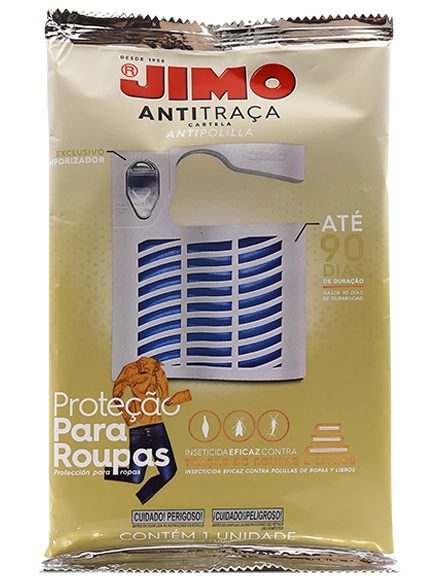
For prevention, there is also JIMO Anti traça Cartelas, which lasts up to 90 days.
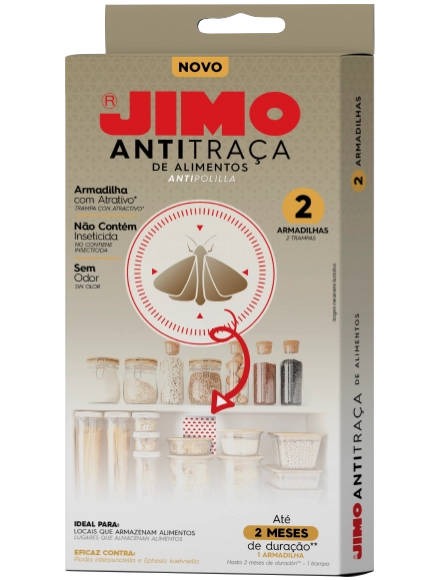
There is also JIMO Anti traça Alimentos, fragrance‑free and insecticide‑free, designed for kitchen cabinets and food storage compartments.
Fleas and mites
Fleas and mites reproduce quickly and go through several life stages. Therefore, the ideal solution is using products with growth regulators, capable of interrupting the insect’s biological cycle.
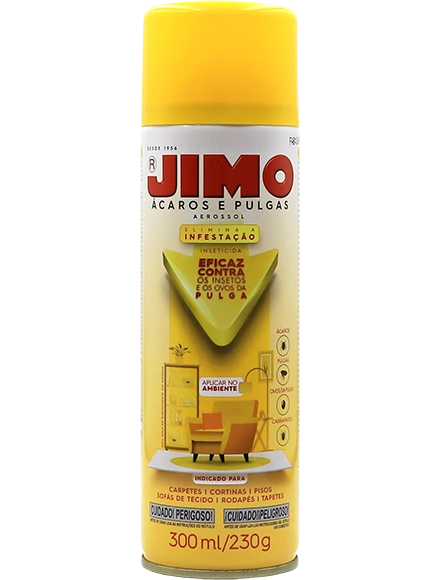
The JIMO Ácaros & Pulgas was developed to combat and control infestations of mites, fleas and ticks.
Ants
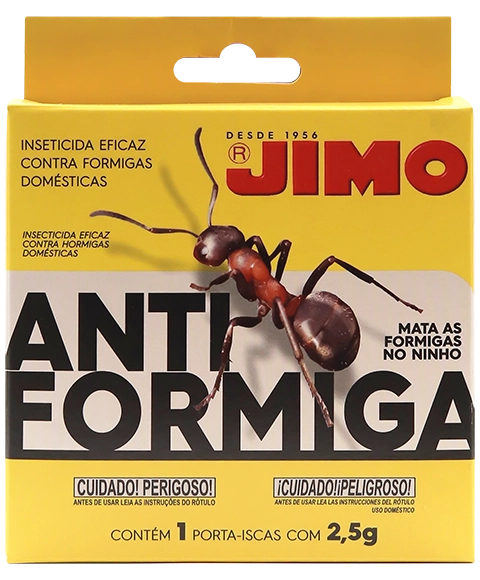
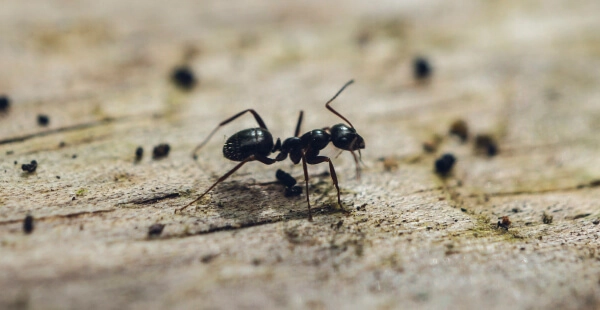
Domestic ants build colonies in humid places near food. Chemical control should focus on trails and entry points, applying insecticide on baseboards, gaps and cracks.
Solutions such as JIMO Anti Formigas, which kills the ants in the nest, and JIMO Inseticida em Pó, which offers precise and effective application, can be used.
Spiders
Spiders prefer dark places such as attics, garages and storage rooms. In this case, it is recommended to first assess the level of infestation, extent and insect type.
Once the scenario is identified, you can use solutions such as JIMO Mata Baratas, which has a formula also effective against spiders and is available in spray form.
There is also JIMO Gás Fumigante or Dedetizador Base Água, also effective depending on the extent and level of infestation.
Termites
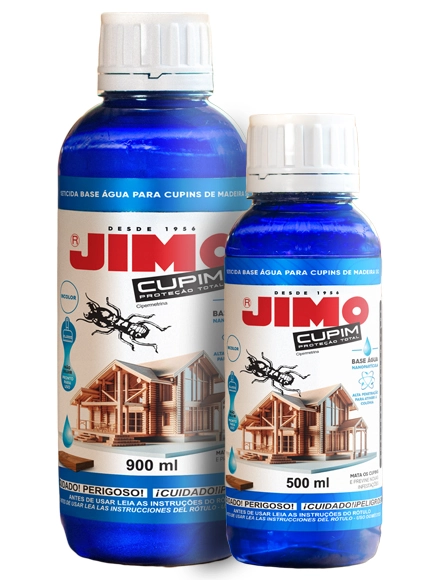
Termites termites feed on the cellulose in wood, damaging furniture, structures and coatings. Control requires specific products known as termite killers, capable of penetrating deep into the wood fibers and eliminating the colony at its source.
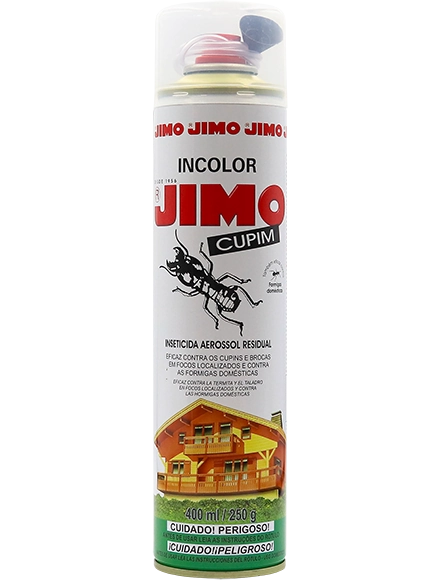
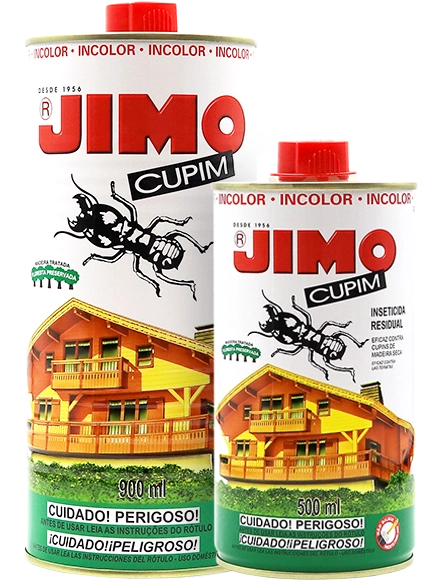
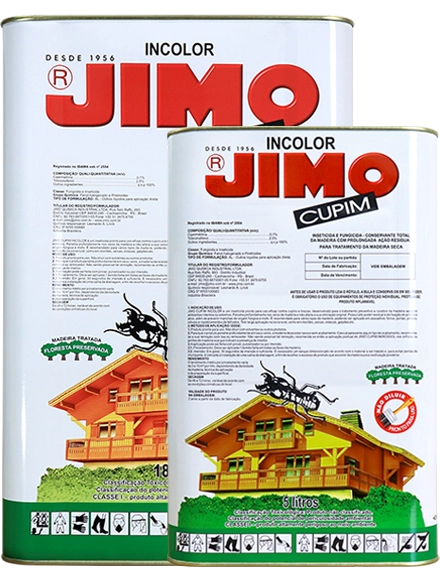
The Linha JIMO Cupim was developed precisely for this type of infestation, with options in different application methods—brushing, immersion or spray—the latter featuring a needle that helps the product penetrate specific points.
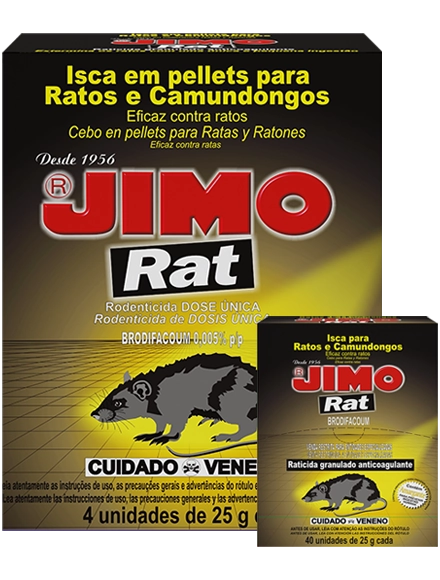
Important: rodenticides and insecticides have different purposes. Rats are mammals and therefore require specific products and extra caution.
Safety and best practices
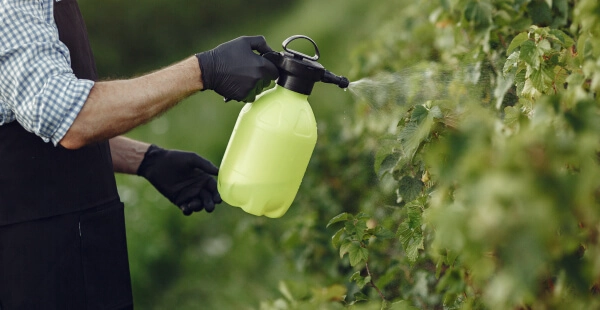
Modern insecticides from the Linha Mata Insetos JIMO are developed to provide effective control with safety when used according to the label. Still, some simple precautions ensure safe and responsible use.
The odor noticed after applying aerosol products, for example, comes from solvent vaporization and does not indicate toxicity. It is recommended to ventilate the environment well and observe the reentry time.
During application, keep children, pets and plants out of the area and return only after the indicated period.
In case of accidental inhalation or discomfort, stop using, ventilate the area and seek medical advice, bringing the product label. All JIMO insecticides undergo rigorous toxicological testing approved by Anvisa, ensuring safe domestic use when applied correctly.
In summary:
- Always read the label before use;
- Remove people, pets and plants from the environment;
- Fully ventilate before returning;
- Clean surfaces that come into direct contact with toys, utensils or food.
Conclusion
Controlling insects in the home requires knowledge, care and proper product choice.
Each insecticide format—spray/aerosol, powder, fumigant, electric vaporizers such as 60N refill and tablets—has a specific role and, when used correctly, ensures efficient and safe protection.
With more than 70 years of history, JIMO continues investing in research, innovation and safety, offering solutions that combine modern technology with tradition in urban pest control.
Before applying, always remember: reading and following label instructions is the first step to ensure effectiveness, comfort and peace of mind in daily life.
Practical solutions for your home
JIMO offers products developed to make your daily routine easier, with options for different types of application, insects/pests, surfaces and environments.
Find the ideal products to make your day‑to‑day easier.
“