Neste Artigo 
Neste Artigo
2 Produtos indicados
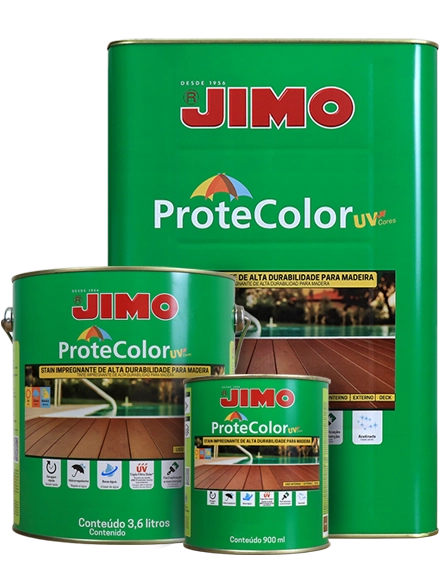
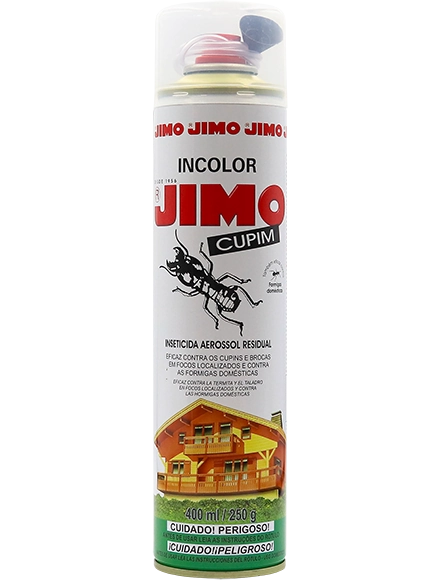
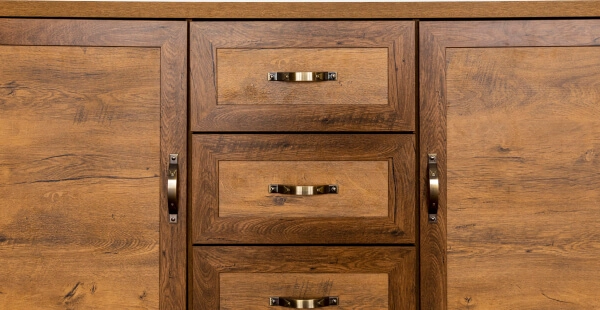
The soul of the Brazilian home is wood. It brings coziness and makes your home more welcoming and modern. It is a strong and durable raw material, but one that needs care to be preserved.
In this content, you will learn the main care tips for wood, discover the most resistant species, and understand how to act preventively with the help of JIMO CUPIM, a reference in pest control for more than 50 years.
Essential care for wooden furniture and structures
Planning to place wooden furniture in your home? Then check out some preservation tips:
Protection against sunlight
Direct sun exposure can fade, warp and weaken the wood. For indoor furniture, curtains or blinds help protect it. For outdoor areas, such as decks or gates, the ideal is to apply varnishes with UV filters and moisture resistance.
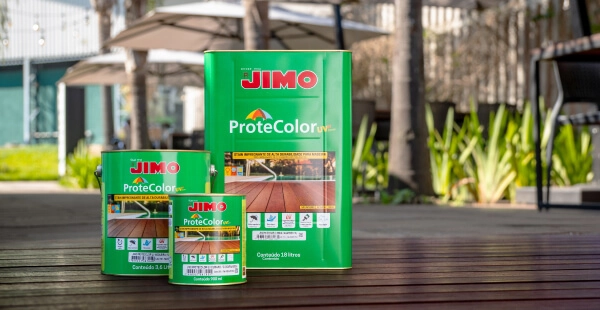
An excellent option is JIMO Protecolor, a satin finish with triple sun filter that protects against UV rays, moisture and dirt while enhancing the wood’s natural beauty.
Humidity control
Bathrooms, laundry rooms and kitchens with poor ventilation can cause swelling, mold and peeling on wood. Use water‑repellent varnishes and keep the room well‑ventilated.
Proper cleaning
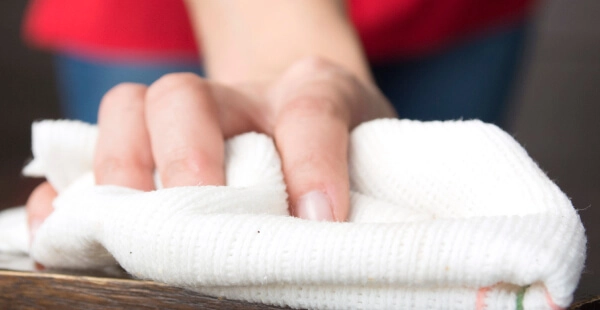
Avoid the use of alcohol and abrasive materials. Prefer products specifically designed for wood, such as those from the JIMO Cuida da Casa line, and soft cloths that clean without scratching.
Termite prevention
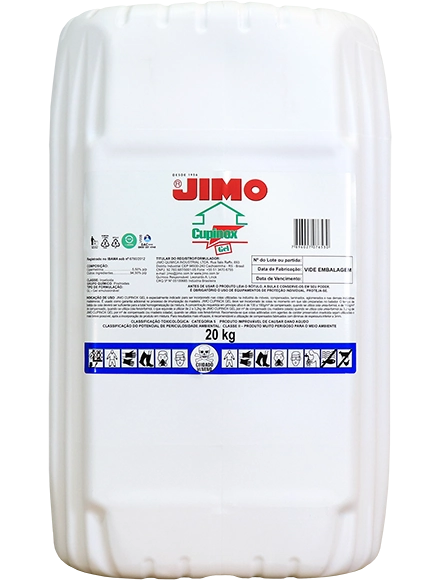
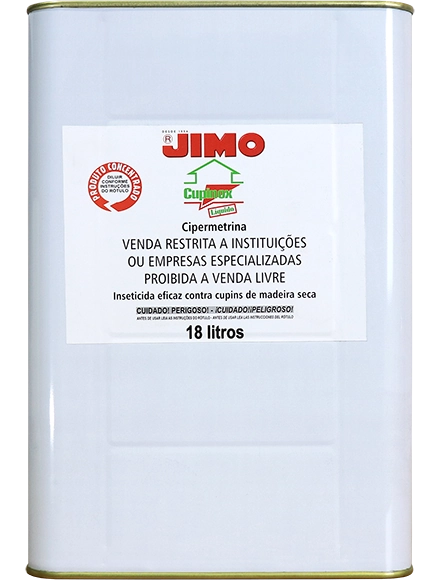
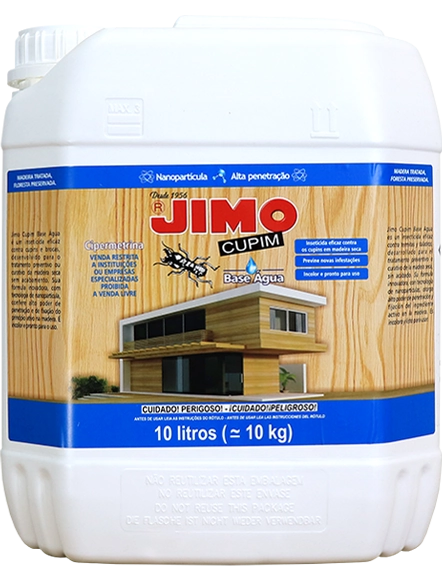
With a hot and humid climate, Brazil favors the proliferation of pests such as termites. Therefore, prevention is essential. Using products such as JIMO CUPIM protects furniture and structures from the silent action of these pests.
The 5 most resistant woods to use in your home
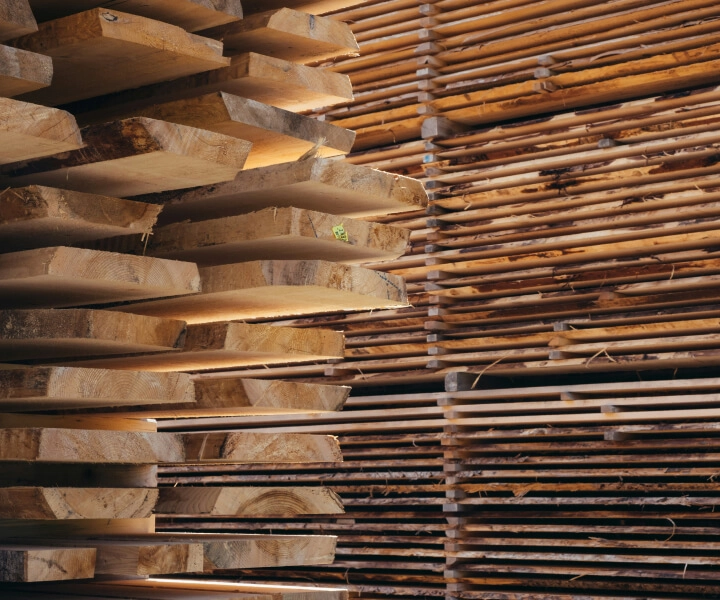
When it comes to wood, there are many options available. To make the best decision, it is essential to evaluate characteristics such as resistance, durability and intended use.
Wood for outdoor areas, for example, must withstand humidity and climate variations, while wood for indoor furniture may prioritize aesthetics and ease of maintenance.
More resistant woods are those that do not deform easily, support weight without compromising structure, and offer greater resistance to pests and weather.
Check the five most durable woods and their main characteristics:
- Imbuia: resistant to termites and fungi, ideal for elegant furniture. It has strong texture and dark coloration;
- Brazilian Mahogany: desired for its beauty and durability, but with restricted exploitation. Sustainable alternatives include African mahogany;
- Ipe: dense and extremely resistant, ideal for outdoor areas, decks and high‑humidity locations;
- Angelim: robust and durable, accepts varnishes and paints well. Great for furniture and structures;
- Cedar: lighter and flexible, recommended for detailed furniture. Pleasant aroma and easy handling.
For more information, see: Wood Glossary: main terms and applications | JIMO
What makes wood resistant?
The answer lies in lignin — a substance found in plant cell walls that provides rigidity, resistance and protection against microorganisms.
The higher the concentration of lignin, the greater the wood durability.
Additionally, lignin delays oxidation and acts as a natural barrier against pests and external agents. Its presence is a key indicator of wood’s structural quality.
Termites: how to protect your wood from this silent threat?
Termites cause damage and financial loss. Due to the tropical climate and growing urbanization, these insects find ideal conditions to proliferate.
Why are termites such a problem?
According to the Brazilian Society of Entomology, temperature and humidity favor the creation of underground colonies and the rapid advance of infestations. Furniture and residential structures are the main targets.
Main species in Brazil:
- Subterranean termite (Coptotermes gestroi): lives underground and accesses wood through tunnels.
- Drywood termite (Cryptotermes brevis): directly infests furniture and structures.
- Arboreal termite (Nasutitermes spp.): lives in trees but may migrate to buildings.
How to combat and prevent?
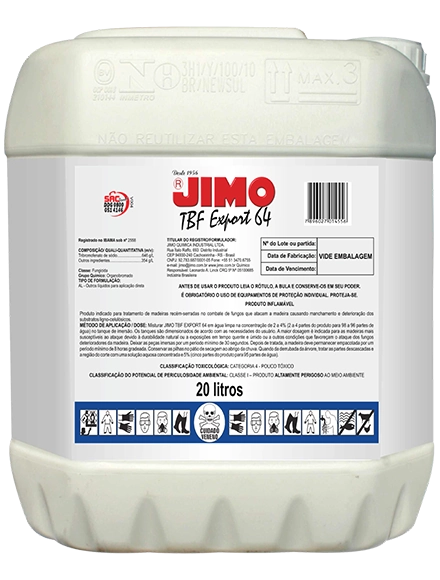
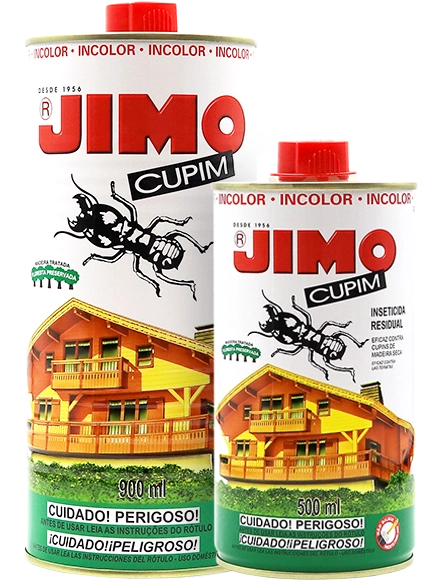
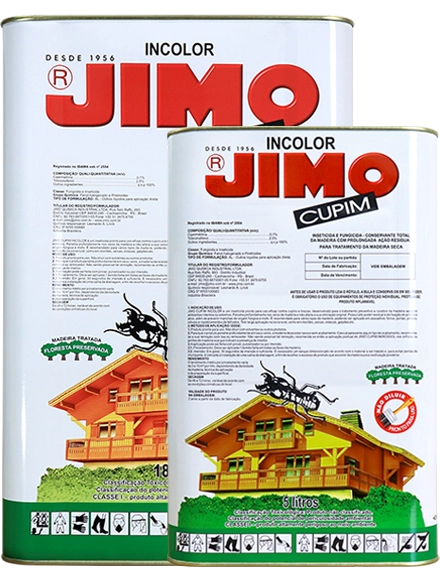
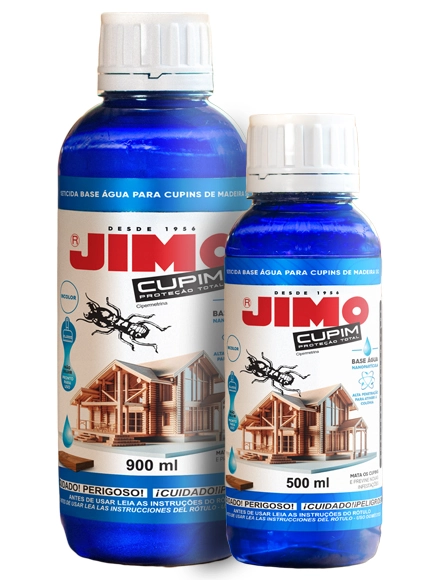
- Preventive treatment with JIMO CUPIM: specific product with residual action and high penetration power.
- Humidity reduction: dry environments are less prone to infestation.
- Regular inspections: look for signs like holes, fine dust and loose wings.
- Physical and chemical barriers in new constructions: essential for newly built properties.
- Natural alternatives: oils such as Neem are being studied as eco‑friendly repellents.
What is the order Blattodea?
Termites belong to the order Blattodea, which also includes cockroaches. Although both are considered urban pests, they play an important ecological role as organic matter decomposers.
Termites were reclassified as a suborder due to morphological and genetic similarities with cockroaches.
Characteristics of Blattodea:
- Flattened, elliptical body;
- Long antennae;
- Some species with wings;
- Nocturnal habits.
What is lignin and why does it matter?
Lignin is a plant polymer that reinforces the wood structure. It acts like cement between plant fibers, providing:
- Rigidity and support;
- Barrier against pests and moisture;
- Protection against decomposition
It is what allows trees to grow upright and withstand environmental conditions. And it is also lignin that makes some wood species more resistant to termite attacks.
Learn about: the complete JIMO Cuida da Madeira line.
Practical solutions for your home
JIMO offers products developed to make your daily routine easier, with options for different types of applications, insects/pests, surfaces and environments.
Find the ideal products to make your daily life easier.