Wooden furniture, doors and windows are part of the structure and comfort of the home. To keep these items beautiful, functional and safe over time, some care is essential.
Wood is a resistant material, but it reacts to humidity, sunlight and environmental conditions. Therefore, caring for it goes beyond cleaning.
Throughout this content, you will understand which practices help preserve wood on a daily basis, how to identify signs of wear and which care truly increases its durability.
Why do wooden furniture, doors and windows require constant care?
Wood is sensitive to environmental conditions. Variations in humidity, temperature and sun exposure affect its structure and finish over time, even indoors.
For this reason, wooden furniture, doors and windows require constant care to maintain their good condition and functionality. Over time, lack of maintenance can cause:
- warping;
- stains;
- cracks;
- loss of strength.
In many cases, wear begins discreetly and progresses unnoticed. When the signs become visible, the structure may already be compromised.
Does the same apply to MDF?
Yes. MDF is a wood‑derived material and also requires constant care. Because it is produced from pressed wood fibers with resins, it behaves differently from solid wood but reacts similarly to humidity and improper use.
Dry cleaning, conscious use and attention in humid areas help preserve its durability.
Main enemies of wood inside the home
Indoors, wood faces enemies that act continuously and often silently. Identifying these factors is the first step to protecting furniture, doors and windows and preventing damage that compromises structure and durability.
Humidity and mold
Excessive humidity and mold are among the main causes of wood deterioration. Poorly ventilated environments promote dark stains, swelling and strong odors.
Over time, the wood loses strength and finish. Humidity control and proper cleaning reduce this risk and help keep the surface protected.
See also: Mold on the wall: what it is, health risks and how to prevent it
Sun and excessive heat
Frequent sun exposure causes drying, fading and cracking. Doors and windows suffer even more because they are in direct contact with light and temperature changes. Surface protection and periodic maintenance help reduce heat‑related wear.
Termites: the main enemy
Termite infestation begins from the inside out and may take years to show visible signs. The presence of debris on the floor or wings near doors and windows requires attention.
When swarming happens indoors, structural damage may already be advanced. In cases of outdoor swarms, the sign indicates risk and the need for inspection, even if infestation is not yet internal.
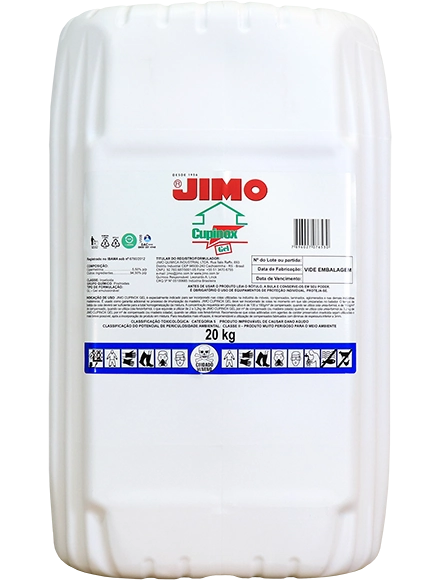
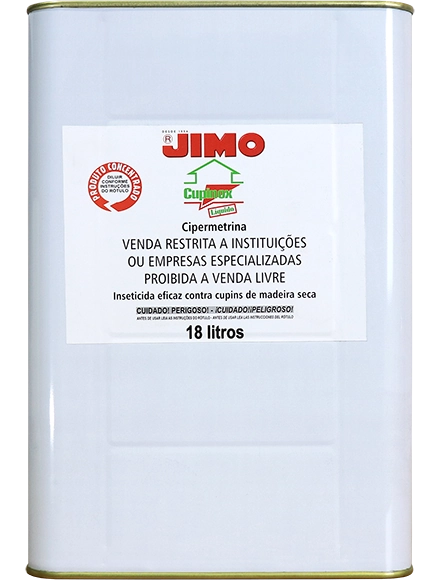
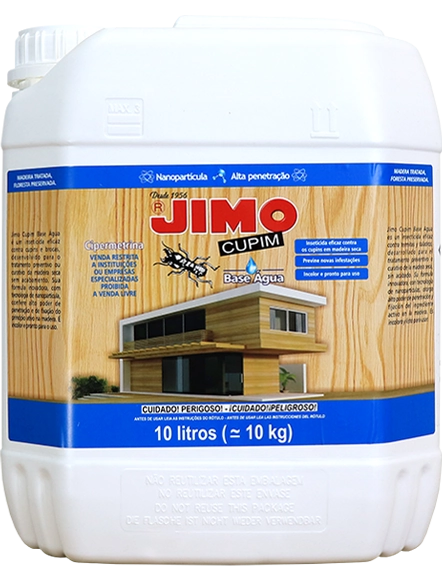
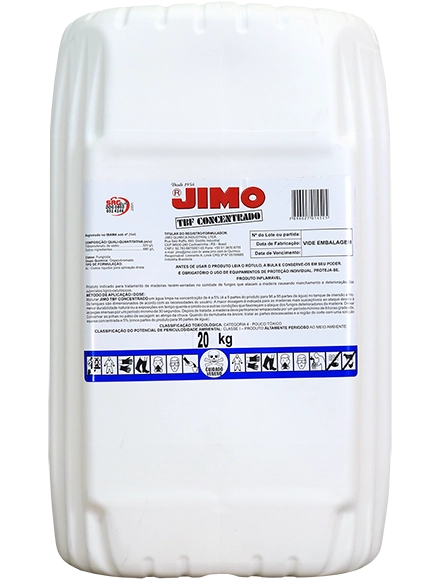
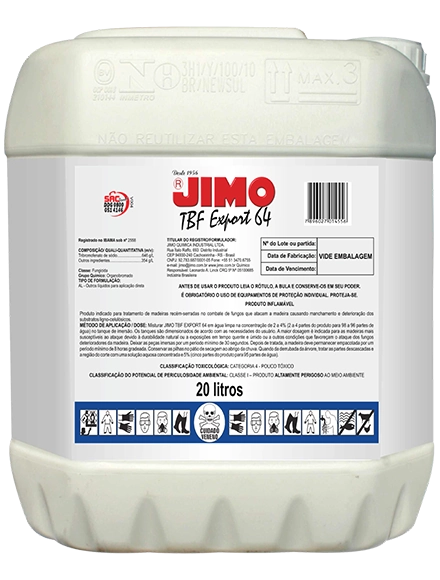
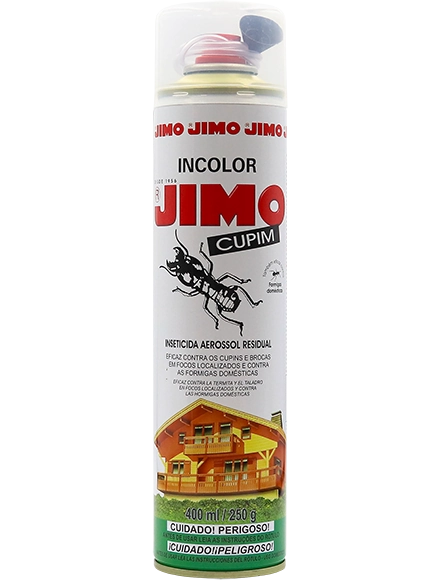
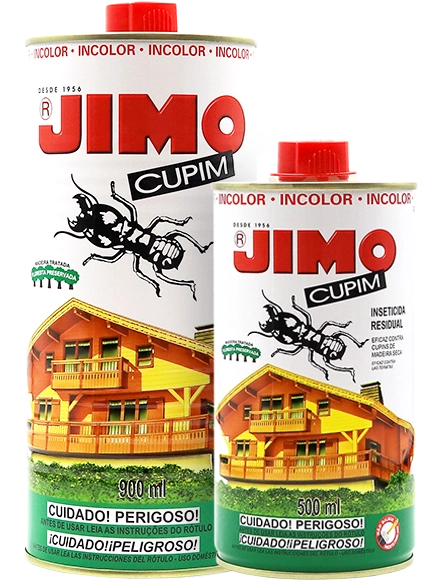
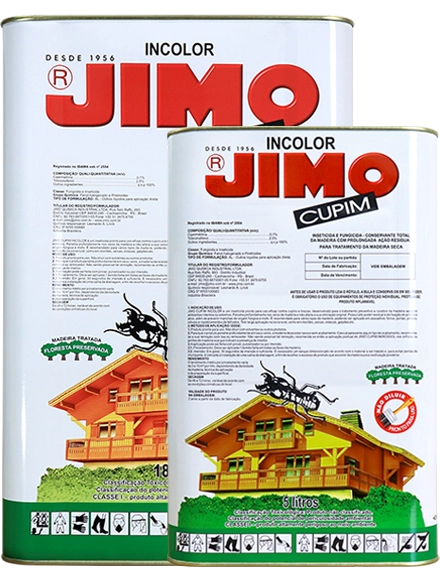
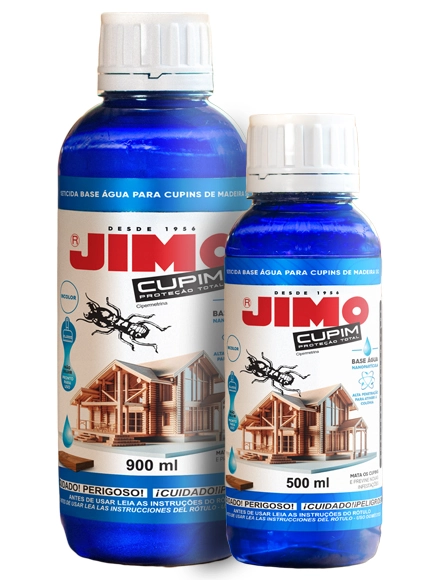
If wood is part of the structure, termites become a real risk to the home. The Mata Cupim line, with JIMO Cupim, is a Brazilian reference in termite control and prevention.
Its action targets the interior of the wood, where the problem truly begins, helping protect furniture, doors and windows before the infestation spreads.
See also: Termites: species, risks and how to eliminate them with JIMO
Wood‑boring beetles: invisible damage
Wood‑boring beetles also cause damage but behave differently. They leave fine dust similar to sawdust. Correct identification avoids inadequate solutions and ensures more effective wood protection.
6 signs of wood problems
Identifying wood problems early prevents major damage and unnecessary costs. Many signs go unnoticed, but deserve attention, especially in furniture, doors and windows. They include:
- dark stains and swollen areas indicating excess moisture;
- dull, dry or cracked surface, a common sign of excessive sun and heat exposure;
- small granules on the floor or furniture, one of the main indicators of termite infestation;
- wings accumulated near windows, doors or lights, indicating swarming—same‑size wings are typical of termites;
- hollow sound when tapping wood, which may indicate internal damage caused by insects;
- fine sawdust‑like powder, usually associated with wood‑boring beetles.
Daily wood care
Daily care has a direct impact on wood durability. Small actions help preserve appearance and prevent problems that worsen over time. See below:
Proper daily cleaning
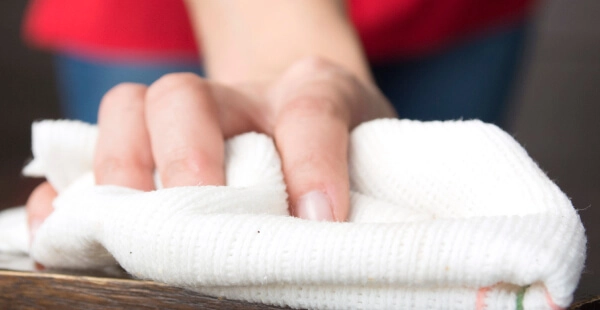
Cleaning should be simple and frequent. Use a soft, dry cloth to remove dust and accumulated dirt. When needed, use a slightly damp cloth, always avoiding excess water.
The JIMO Pano Multiuso is a good option, as it is made with fine microfilaments that do not scratch the surface and have high absorption power.
Avoid washing furniture, doors or windows. Wood absorbs water and may swell. Abrasive products, alcohol, bleach and harsh homemade mixtures remove surface protection and accelerate wear. Gentle cleaning with immediate drying is the best approach.
Positioning and conscious use
Where the wood is installed directly affects its preservation. Keep furniture at a safe distance from windows with direct sunlight to reduce drying and fading over time.
In wet areas such as kitchens, bathrooms and laundry rooms, attention must be doubled. Avoid frequent contact with water and steam. Whenever possible, dry splashes immediately.
To help control humidity in such environments, JIMO Anti‑Umidade is a practical daily solution. It absorbs excess moisture from the air, reducing conditions that favor stains, mold and wood damage.
Its use is recommended in poorly ventilated places such as closets, wardrobes and areas where furniture rests against walls.
In addition, using felt pads and protectors on furniture legs prevents scratches, impacts and friction with the floor. This simple care helps preserve both wood and flooring finishes.
Preventing marks and wear in daily use
Besides cleaning and proper positioning, some simple care helps avoid premature wood wear:
- avoid placing hot objects directly on wood. Heat can cause stains and damage the finish;
- do not drag furniture or heavy objects—friction causes scratches on both wood and floor;
- avoid overloading shelves, tables and bookcases—excess weight may cause deformation over time;
- keep the environment ventilated—extreme temperature and humidity variations accelerate wood wear.
See also: Wood glossary: main terms and applications
Prevention is the best care for wooden furniture
When it comes to wooden furniture, doors and windows, prevention is always more effective than repair. Preventive care protects and avoids structural damage that compromises safety and durability.
Why is termite prevention essential?
Termites do not appear suddenly. Infestation begins silently and develops over years without apparent signs. When wings, debris or hollow areas appear, the colony is already established.
This delay in detection increases repair costs and the risk of permanent loss of furniture and structures. Prevention stops the process before severe damage and prevents the problem from spreading.
JIMO Cupim as a reference in wood care
To prevent and combat termites effectively, it is essential to use a termite killer designed to act beyond the surface. JIMO Cupim, from the Mata Cupim line, is widely recognized in Brazil precisely for this characteristic.
According to Leonardo Linck, chemist and R&D director at JIMO:
The great advantage of a termite killer is reaching the internal tunnels of the wood. It is not enough to eliminate visible insects—you must interrupt the colony cycle and maintain residual action to prevent reinfestation.
This deep action is essential because termites feed and stay protected inside the wood. JIMO Cupim was developed to penetrate and act where the insect is active, offering more complete protection.
The line can be used preventively, protecting furniture, doors and windows before attacks, or correctively, when infestation signs are already present. JIMO Cupim acts deeply and continuously, helping preserve wood and ensure home safety.
When to apply protection and finishing solutions?
After caring for the structural part, it is worth protecting the finish. Surface‑protection solutions help preserve wood appearance and reduce daily wear, sunlight impact and moisture effects.
These products contribute to aesthetic preservation, maintaining:
- color;
- shine;
- and finish.
They also make cleaning easier and reduce wear caused by constant contact with hands, objects and dust.
In this context, for visual maintenance and daily care, JIMO Lustra Móveis Aerossol is an important ally. It helps clean, renew and add shine to the wood surface, forming a protective layer that facilitates cleaning and preserves the finish.
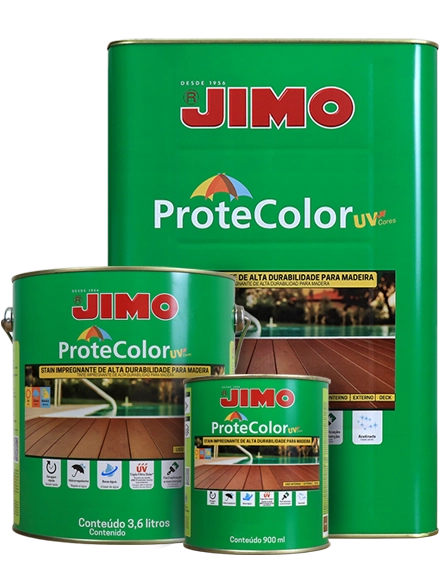
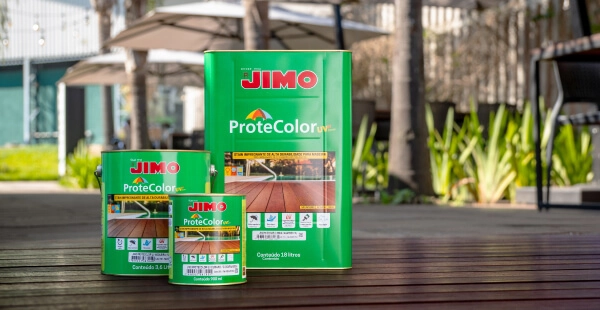
Additionally, JIMO Protecolor acts directly on the wood surface, reinforcing wear resistance and helping maintain appearance over time.
The Protecolor works as a complement to structural treatments, ensuring the wood does not lose shine or color with daily use.
When to use oils, waxes, varnishes and impregnants?
Oils, waxes, varnishes and impregnants are used to protect the wood surface and preserve its appearance. They create a protective layer that helps reduce daily wear and moisture impact.
These treatments are part of periodic maintenance and complement cleaning and finish solutions. They do not replace structural care but help conserve appearance and prolong wood life.
See also: Wood: cycle, risks and how to protect with JIMO
Well‑maintained wood means a protected home!
Caring for wooden furniture, doors and windows goes beyond appearance. It involves daily attention, frequent inspection and prevention against invisible risks, such as termites, which compromise structure over time.
With the right solutions, such as JIMO products, it is possible to protect wood completely. This way, your home stays safe, functional and with preserved wood for much longer.
Common questions about wood care
How to clean wooden furniture without damaging it?
Cleaning should be done with a slightly damp cloth, just to remove dust and surface dirt. Avoid excess water, abrasive products, alcohol or harsh homemade solutions, as they remove wood protection and accelerate wear.
Can all types of wood get termites?
Yes. Termites feed on cellulose, which is present in all types of wood. Some species are more resistant, but none are completely immune. Termites tend to prefer softer woods first, but may also attack harder ones.
Does treated wood require no prevention?
No. Treated wood has greater initial resistance, but this does not eliminate long‑term risk. With natural wear, protection may decrease. Continuous prevention with an appropriate termite control product helps keep wood protected and avoid future infestations.
Do termites appear only in old furniture?
No. Termites do not choose furniture based on age. They can attack new furniture, doors, windows and newly installed structures. In many cases, infestation was already present before the first visible signs, regardless of usage time.
How do I know if the problem is termites or wood‑boring beetles?
Termites leave small granules on the floor, which are fecal residues, and may cause a hollow sound when tapping the wood. Wood‑boring beetles produce fine sawdust‑like powder. Additionally, termites live in organized colonies, while beetles do not stay continuously inside the wood.
Can I use homemade solutions on wood?
Homemade solutions are not recommended for termite control or structural protection. They do not reach the interior of the wood and do not interrupt the infestation cycle. For effective protection, it is best to use products specifically developed for wood.
Practical solutions for your home
JIMO offers products developed to make your daily routine easier, with options for different applications, insects/pests, surfaces and environments.
Find the ideal products to make your daily life easier.