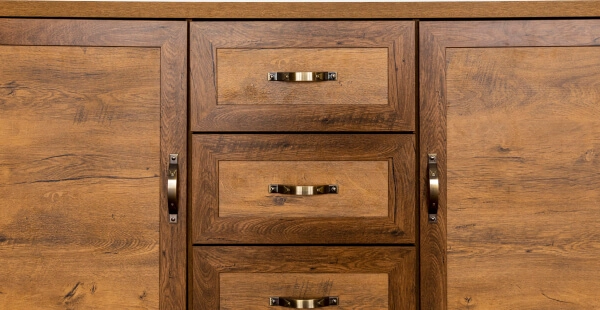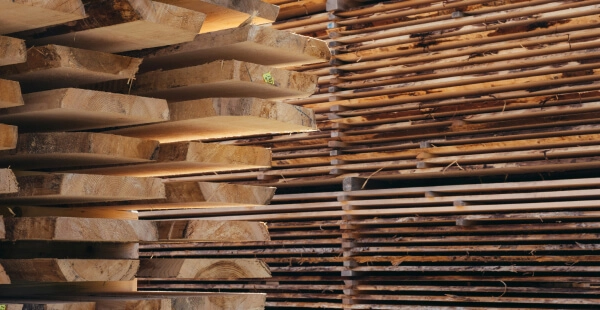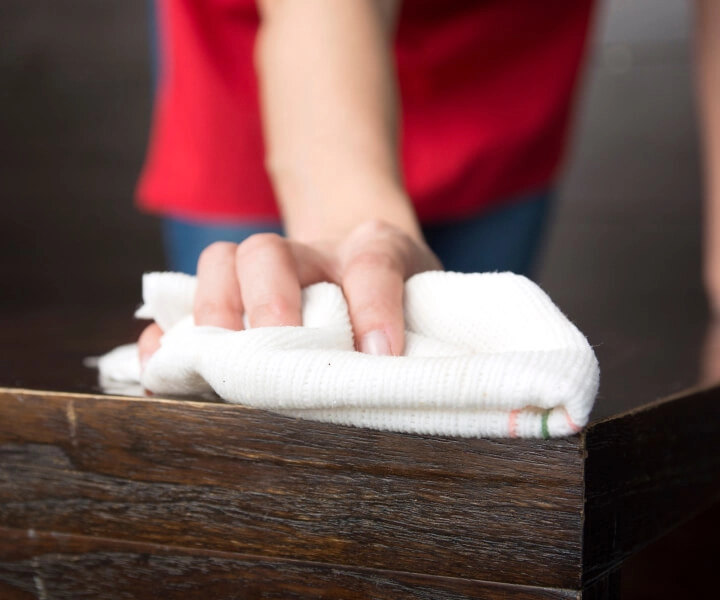
Wood is present in furniture, doors, windows, baseboards and structures that are part of everyday life at home. Besides aesthetics, it plays an important role in comfort and protection.
Because it is a natural material, it reacts to the environment, suffers from changes in humidity, sun exposure, and may be attacked by pests over time.
Taking care of wood requires more than occasional cleaning. It involves continuous preservation, correct product choices and preventive actions that avoid structural and aesthetic damage.
This guide gathers practical and technical guidance on how to care for wood in different contexts, with focus on preventing moisture, sun exposure and termites—the main wear factors in residential environments.
What does it mean to care for wood correctly?
Caring for wood means maintaining its integrity over time through proper cleaning, environmental control and protection against degrading agents. It is not just about preserving appearance, but preventing structural losses that may compromise furniture and fixed elements of the home.
From a technical point of view, the durability of wood is directly related to the control of physical and biological factors. Excess humidity, lack of ventilation and wood‑boring insect attacks accelerate fiber wear and reduce the useful life of the material. Therefore, proper care begins before problems appear and continues with regular actions.
Prevention is always more efficient than corrective interventions, especially when dealing with pest infestations and continuous exposure to moisture.
What damages wood inside the house?
Even indoors, wood is subject to several risk factors. Humidity is one of the main ones. Poorly ventilated environments, contact with damp walls and proximity to areas such as kitchens and bathrooms encourage the absorption of water by wood fibers.
Continuous sun exposure also contributes to drying and color changes, especially on furniture placed near windows. Over time, finishes lose protection and surfaces become more vulnerable.
Another critical factor is the presence of termites. Unlike visible stains or cracks, termite attacks occur from the inside out and often go unnoticed in early stages. When external signs appear, internal damage may already be significant.
Therefore, indoor wood care must consider not only cleaning but also pest prevention and environmental condition control.
Why are termites one of the biggest risks for wood?
Termites are one of the main enemies of wood because they feed directly on wood fibers and act silently. These insects live in organized colonies capable of growing and remaining active for long periods without visible surface signs.
This behavior makes the damage progressive and difficult to identify early. Furniture, doors and windows may look intact from the outside while the internal structure is already compromised. For this reason, homemade solutions or isolated actions are not enough to protect wood.
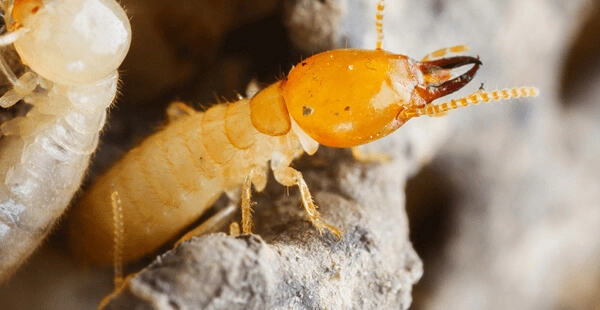
JIMO specialists reinforce that effective control requires specific products designed to properly reach the insect and help prevent reinfestations. Leonardo Linck, chemist and technical R&D director at JIMO, explains:
In the case of termites, it is no use acting only where the insect appears. If the colony is not reached, the problem remains active.
How to prevent termites in wooden furniture, doors and windows
Preventing termites begins with prevention itself. Infestations do not appear overnight and usually settle in favorable conditions without visible initial signs. Humid environments, poor ventilation and unprotected wood create the ideal scenario for colony development.
Technically, termites are social xylophagous insects organized into structured colonies. This means that eliminating only visible insects does not solve the problem.
The colony remains active unless properly targeted. Leonardo Linck highlights this characteristic as the main reason for failure in improvised or homemade solutions. To reduce infestation risk in furniture, doors and windows, some practices are essential:
- keep wood away from constant moisture sources;
- ensure proper ventilation in rooms;
- periodically inspect less visible areas such as baseboards, door frames and furniture backs;
- apply specific products for termite prevention and control, developed to penetrate wood structures.
Which product to apply to prevent termites?
Effective termite protection requires products formulated specifically for this type of pest. Homemade mixtures or generic products do not reach the colony nor offer residual effect, compromising long‑term protection.
According to a study from the Archives of the Biological Institute, carried out by researchers from the Federal University of Sergipe, biological agents such as termites and wood‑boring beetles are among the main causes of structural loss, especially when preventive treatment is absent.
Products from the JIMO Cupim line are developed to act directly in control and prevention, reaching the internal areas of the wood where termites feed. This action is essential to interrupt the pest cycle and reduce reinfestation risk.
In wood care, it is important to separate functions. Finishing products, oils or waxes help with surface preservation but do not replace termite treatment when structural protection is the goal.
How to clean wood correctly in daily care
Daily cleaning of wood should preserve the finish and avoid moisture penetration into the fibers. The correct method is simple and effective when performed regularly.
The ideal is to use a soft, dry cloth to remove dust, such as the JIMO Pano Multiuso. When necessary, the cloth may be slightly dampened with water and mild soap, always followed by immediate drying. This practice avoids dirt buildup without compromising surface protection.
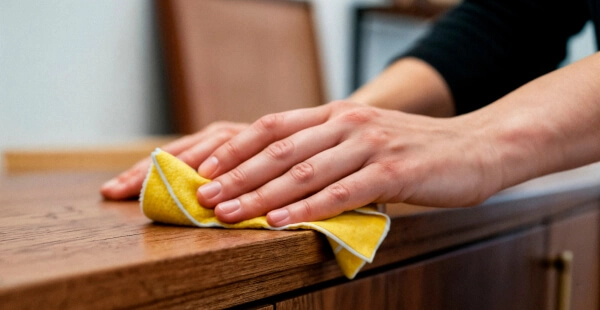
Excessive water use, abrasive products or alcohol‑ and solvent‑based solutions accelerate finish wear and increase moisture absorption. Over time, this makes wood more vulnerable to mold and termite attacks.
What should not be used on wood
Some products should be avoided in wood care, even in small amounts. Among the main ones are alcohol, chlorine, solvents, abrasive waxes and multi‑purpose cleaners not recommended for wood surfaces.
These products remove protective finish and alter fiber structure. According to IPHAN, loss of the protective layer facilitates moisture penetration and accelerates physical and biological degradation processes in wood.
Whenever in doubt, the recommendation is to choose simple cleaning methods and products developed specifically for wood.
How to protect wood against moisture?
Moisture is one of the main risk factors for wood durability. Even small constant variations encourage mold growth, warping and easier pest attacks.
Protection begins with the environment. Ensuring proper ventilation and air quality, keeping furniture away from damp walls and avoiding direct floor contact are essential measures. In more sensitive areas such as doors, windows and baseboards, inspections should be frequent.
From a technical perspective, humidity control is identified as one of the fundamental rules for conserving wood exposed to weather and continuous use, as described in technical manuals.
In addition to environmental control, using suitable products such as moisture absorbers complements protection by reducing water absorption and preserving wood integrity over time, including inside wardrobes and cabinets.
The JIMO Antiumidade, for example, absorbs excess moisture down to the ideal percentage (50–60%), preventing mold, bad odors and corrosion.
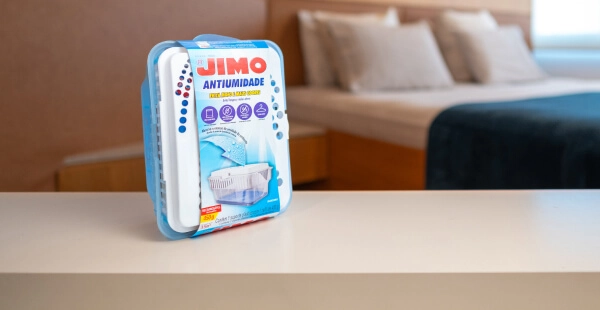
Learn more: Mold: what it is and how to prevent wall mold at home | JIMO
Oils, waxes, varnishes and impregnants: when to use each one
Using oils, waxes, varnishes and impregnants is part of wood preservation, but each solution has a different purpose. Choosing the wrong product may compromise protection instead of reinforcing it.
Oils and waxes act mainly on wood nourishment. They help reduce surface dryness, enhance natural appearance and make aesthetic maintenance easier. They are recommended for furniture and indoor surfaces with lower exposure to humidity and sunlight.
Varnishes create a protective film over the wood. This layer reduces water absorption and protects against mechanical wear, but may require periodic reapplication, especially in high‑usage or high‑exposure areas.
Impregnants have a deeper function. They penetrate wood fibers and offer additional protection against moisture and weather, making them ideal for outdoor areas.
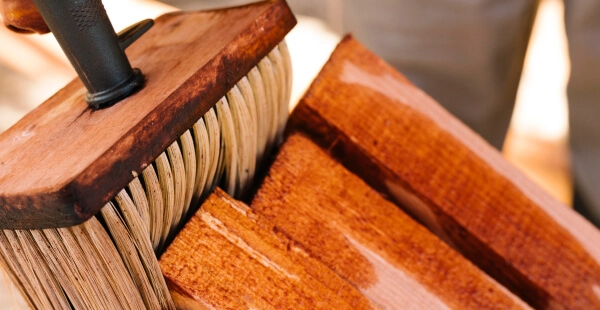
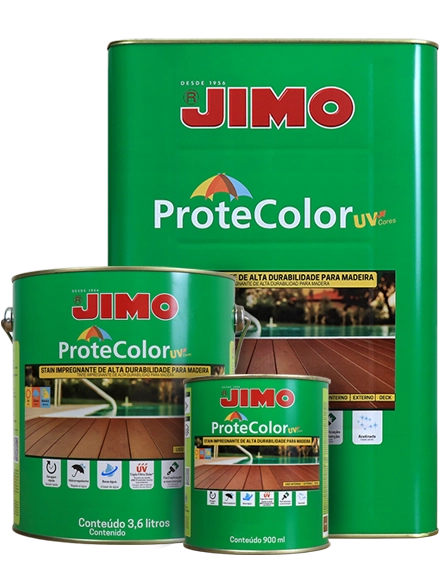
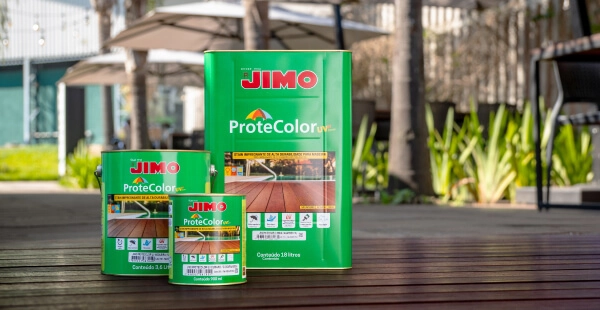
Additionally, satin finishing solutions such as JIMO Protecolor offer UV protection and come ready to use on entryways, decks, frames and garden furniture.
It is important to emphasize that none of these products replace termite treatment. Biological agents must be treated with products designed specifically for this purpose.
Learn more: JIMO Lustra Móveis – protects, renews and adds shine
Caring for wood indoors
Indoors, wood care is directly related to environmental control and routine maintenance of:
- furniture;
- doors;
- baseboards;
- frames, among others.
These suffer less from weather but remain vulnerable to humidity, sunlight and pests.
Cleaning should be regular and gentle, avoiding excessive water. Room ventilation helps maintain humidity balance, reducing mold and warping risk. In places with a history of infestations, termite prevention should be part of the routine, even without visible signs.
Caring for wood outdoors
When exposed outdoors, the material requires more rigorous care. Doors, windows, decks and exterior structures suffer from sun, rain, temperature changes and constant humidity.
In these cases, protection must be combined. Humidity control, application of products suitable for the level of exposure and frequent inspections help prevent cracks, warping and accelerated degradation.
Outdoor surfaces need periodic maintenance to compensate for natural weathering. Lack of maintenance drastically reduces the lifespan of wood.
In addition, outdoor areas are more susceptible to termite and wood‑boring insect attacks, reinforcing the need for specific protective solutions within preventive care.
How often should maintenance be done?
Wood maintenance should be continuous and planned. There is no single valid interval for all cases, but some parameters help organize the care routine.
Visual inspection can be monthly, observing signs of moisture, stains, finish wear and possible pest indications. Cleaning should be part of daily care, always using suitable products.
JIMO solutions for care and preservation
Inside or outside the home, JIMO solutions are developed to address different stages of wood care, focusing on prevention and combating the main causes of degradation. Linck reinforces:
When we talk about wood, there is no single action that solves everything. Durability comes from the combination of care. Cleaning properly, preserving finishes and preventing pest attacks must work together, especially when the goal is to avoid structural damage.
Among the most impactful factors affecting wood lifespan are biological agents, especially termites, as mentioned. Wood‑boring insect infestation is one of the main causes of structural compromise when preventive treatment is absent.
JIMO Cupim: essential protection against wood pests
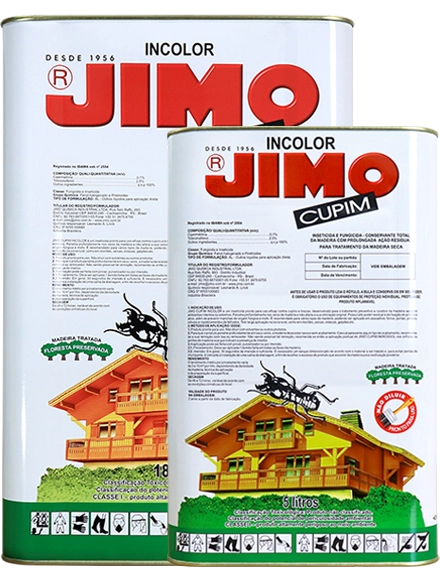
The JIMO Cupim line is a national reference in termite and wood‑borer control and prevention. Its use is directly related to structural protection of wood, acting on furniture, doors, windows, baseboards and other surfaces susceptible to insect attacks.
Leonardo Linck, JIMO specialist, explains that termites live in structured colonies and may remain active for long periods without external signs:
Termites do not act alone. They live in structured colonies, with divided functions, and continue feeding on wood even when there is no visible indication on the surface. This is why damage is often noticed only when the structure is already compromised.
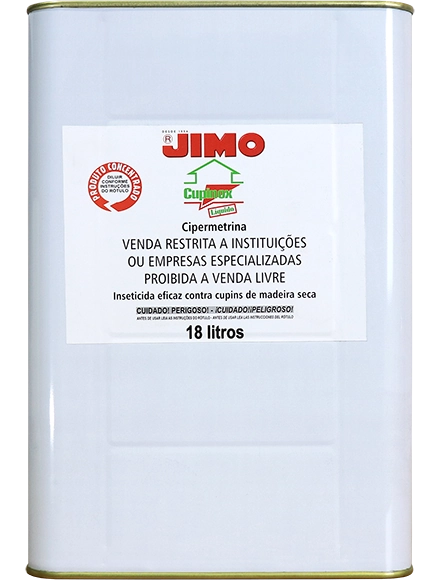
Therefore, effective protection requires products specifically developed to reach the insect properly and help interrupt the pest cycle. In the product line, you can find different presentations, such as:
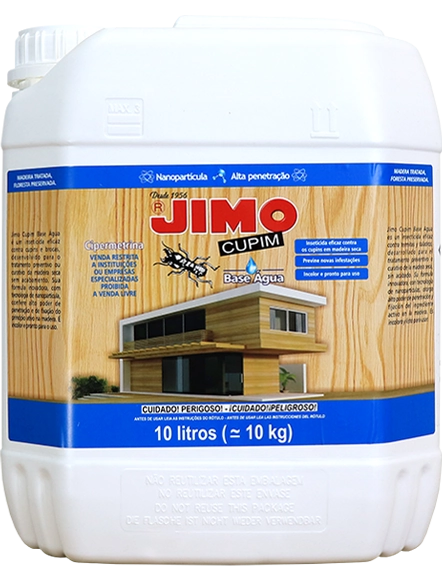
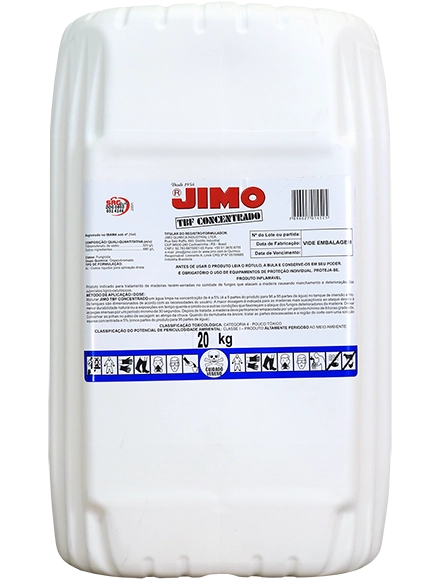
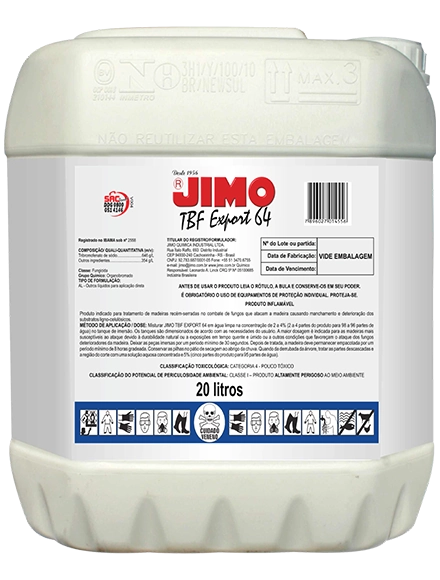
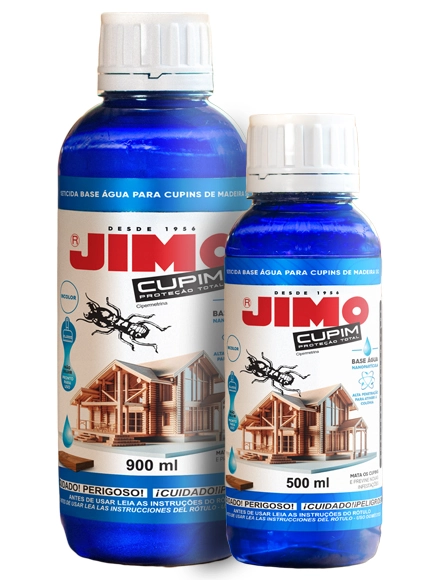
- JIMO Cupim Base Água 10L – protection and treatment for wood.
- JIMO Cupim protects wood, protects history.
- JIMO Cupim Base Solvente – protects wood, protects history.
- JIMO Cupim – protects wood, protects history.
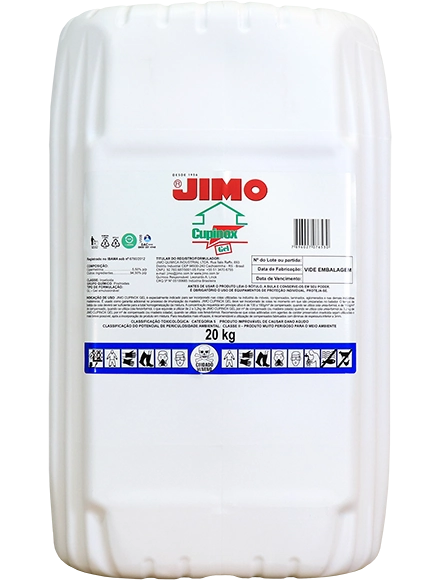
- JIMO Cupinox Gel – protection for mechanically processed wood.
Product choice depends on application type and exposure level. JIMO Cupim Base Água is recommended for preventive and corrective treatment on raw or installed wood, especially indoors, construction sites, structures and large surfaces, offering more controlled application and low odor.
JIMO Cupim Base Solvente is recommended when deeper penetration is required, suitable for denser woods, older structures or areas with infestation history where protection must reach deeper layers.
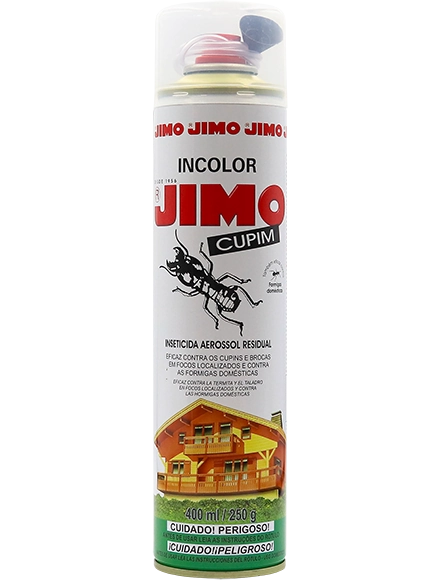
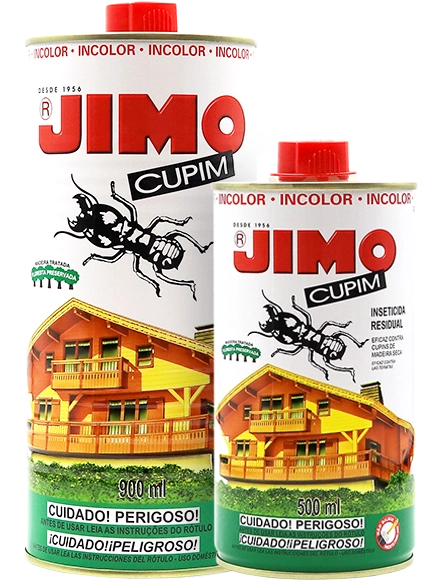
Additionally, JIMO Cupim ready‑to‑use versions serve spot applications on furniture, doors, windows and baseboards, supporting routine preventive care at home.
Lastly, JIMO Cupinox Gel is indicated for mechanically processed wood such as cuts, joints, drill points and freshly worked edges, protecting vulnerable spots from termite and borer attacks immediately after handling.
Conservation and finishing
Beyond pest protection, wood conservation involves care with finishing and exposure to the environment. Surface‑protection solutions such as JIMO ProteColor help reduce moisture absorption, preserve visual appearance and make daily maintenance easier.
Learn more: JIMO ProteColor: Resistant finishing for wood
Caring for wood is investing in durability
Caring for wood involves proper cleaning, finish preservation and protection against the main wear factors. Moisture, sun and pests act continuously and silently, making prevention the most effective strategy.
By adopting a preventive maintenance routine, it is possible to extend the lifespan of wooden furniture, doors, windows and structures, avoiding structural losses and high replacement costs. In this process, termite protection plays a central role, as damage caused by these pests is often difficult to reverse.
Solutions specifically developed for this purpose, such as JIMO Cupim, are part of responsible wood care, complementing preservation practices and helping maintain material integrity over time.
Common questions about wood care
Does wood need maintenance even without frequent use?
Yes. Even without heavy use, wood reacts to the environment. Humidity variations, lack of ventilation and sun exposure continue to act on the material. Preventive maintenance avoids drying, mold and creates an additional barrier against pests.
Can I use alcohol or multi‑purpose products to clean wood?
It is not recommended. Alcohol, solvents and multi‑purpose products remove the protective surface layer of wood and facilitate moisture absorption. Over time, this accelerates wear and increases vulnerability to termite and fungus attacks, as technical studies on wood degradation indicate.
How do I know if my wood has termites?
Early signs are often subtle. Small holes, sawdust‑like powder and hollow‑sounding areas may indicate infestation. In many cases, however, termites act internally with no visible signs.
JIMO specialists warn that the absence of external signs does not mean the colony is absent, reinforcing the importance of preventive care.
What is the best way to prevent termites in wood?
The best way is prevention. This involves humidity control, periodic inspections and using specific products for termite control and prevention. Solutions developed for this purpose, such as JIMO Cupim, act more effectively than homemade or generic methods.
Does oil or varnish replace termite control products?
No. Oils, waxes and varnishes help in wood preservation and finishing but do not act against termites. Complete wood care requires combining surface conservation with specific pest protection.
Practical solutions for your home
JIMO offers products developed to make your daily routine easier, with options for different types of application, insects/pests, surfaces and environments.
Find the ideal products to make your daily life easier.