Did you know? The mosquito is considered the most dangerous insect in the world. According to a study by the Bill & Melinda Gates Foundation, it is responsible for about 725,000 deaths per year. This happens because many species are vectors of serious diseases — such as dengue, in addition to Zika, chikungunya, and yellow fever.
These numbers are alarming, which is why it’s important to protect yourself and your family!
Is dengue contagious?
Dengue is not a contagious disease. That is, a person with dengue does not pass the virus to another person. For transmission to occur, a mosquito is required.
The mosquito species Aedes aegypti is the vector that transmits the dengue virus. Understanding its reproductive cycle is essential to reducing dengue cases in the human population.
But before understanding how it reproduces, let’s learn how to identify it.
How to identify the mosquito that transmits dengue?
The Aedes aegypti has daytime habits, flies low, and usually bites feet and ankles. Its bite generally does not hurt because its saliva contains a substance with an anesthetic effect.
Another detail: only females bite because they need human blood to mature their eggs. Males feed only on nectar and plant sap.
Symptoms of dengue: when to be concerned
Knowing the symptoms of a disease is important so you can identify what you’re feeling and seek medical guidance to take care of your health. That’s why we’ll explain the symptoms of dengue.
The main symptoms are:
- fever;
- headache;
- body aches;
- nausea.
Red spots may also appear on the skin, and episodes of nosebleeds and bleeding gums can occur. In addition, the patient may experience severe abdominal pain and vomiting.
Signs of hemorrhagic dengue
Abdominal pain and frequent vomiting may indicate that the patient’s dengue has progressed to the most severe form, hemorrhagic dengue.
This type of dengue can be fatal if the patient does not receive proper treatment. Therefore, as soon as the first symptoms appear, seek medical attention and follow the guidance provided.
Serotypes 1 and 4 cause milder dengue, while types 2 and 3 are more virulent. In other words, they can cause the more severe form of the disease.
The first infection by the virus is usually milder, while the second can be more severe and has a higher chance of progressing to hemorrhagic dengue.
Diagnosis of the first infection does not always occur. The person may not show symptoms or may experience mild reactions and confuse them with a simple viral illness.
I have dengue: what should I do?
If you suspect you have dengue, you should seek medical attention as soon as possible to receive proper treatment.
Have you had a fever for several days and there are dengue cases in your city? Go to a health center or schedule an appointment with your trusted doctor.
During recovery, it’s important to maintain hydration. Drink plenty of water and, if necessary, supplement with homemade oral rehydration solution and coconut water. In more severe cases, intravenous hydration may be needed.
Attention: do not self-medicate! Medications containing acetylsalicylic acid and anti-inflammatories can increase the risk of bleeding and worsen the condition.
How to prevent dengue at home
Be careful with plant pots: to prevent water accumulation, place sand in the saucers and wash them regularly;
Do not leave objects that can accumulate water in your yard; store bottles properly: closed or upside down;
Your home’s water tank should always be kept covered;
Clean the gutters frequently to prevent water buildup;
If you use containers to collect rainwater, clean them frequently and keep them covered during dry days;
Do not dispose of trash in empty lots; tie garbage bags securely and pay attention to collection days;
Use repellents, https://www.jimo.com.br/en/blog/kills-insects/inseticida-guia-completo-para-escolher-aplicar-e-proteger-sua-casa/insecticides, mosquito nets, and install screens on your home’s windows and doors whenever necessary.
Learn more: Types of insecticide: how to choose the most effective?
JIMO is an ally in dengue prevention!
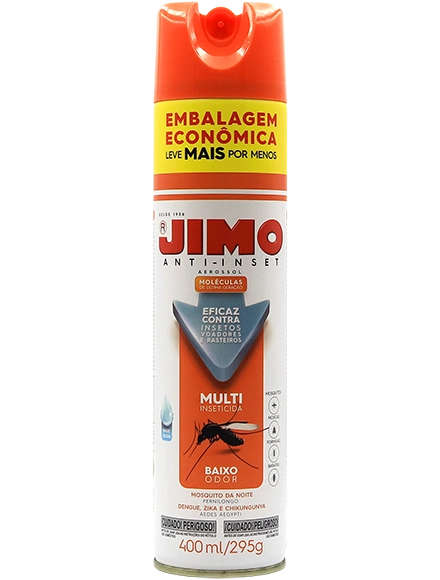
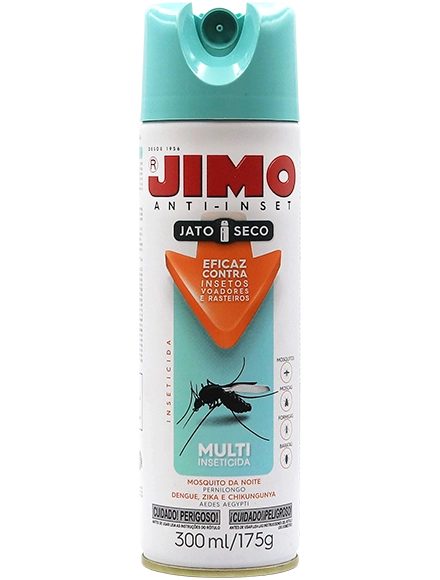
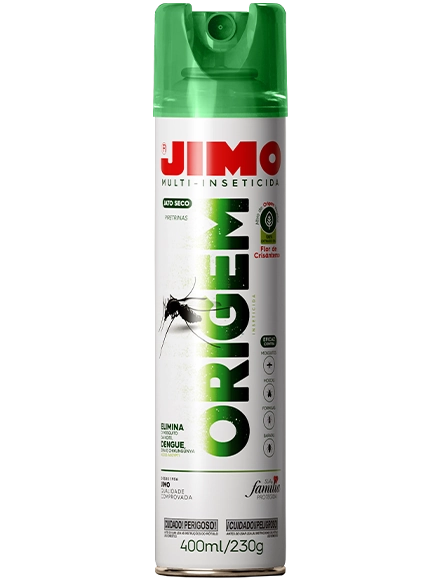
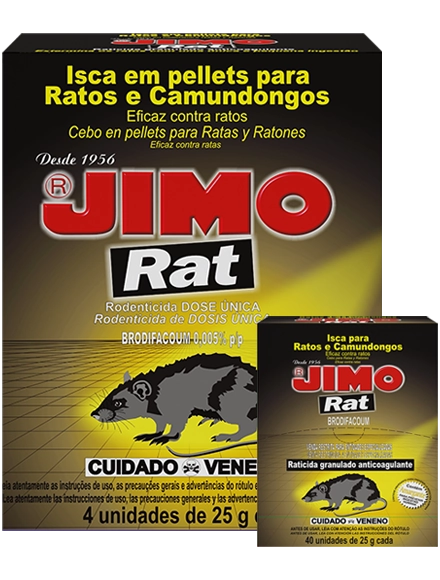
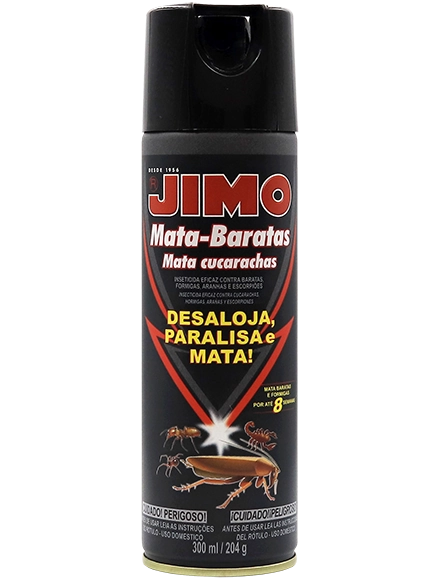
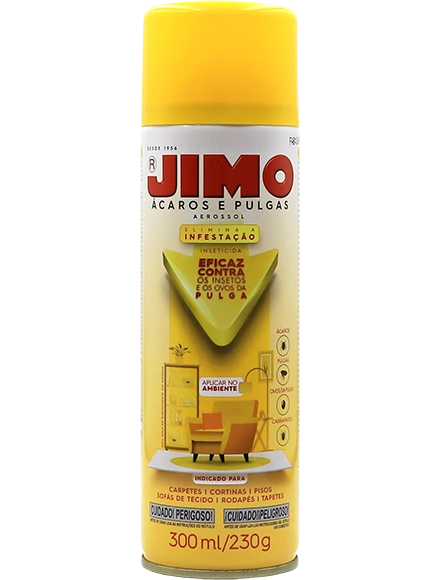
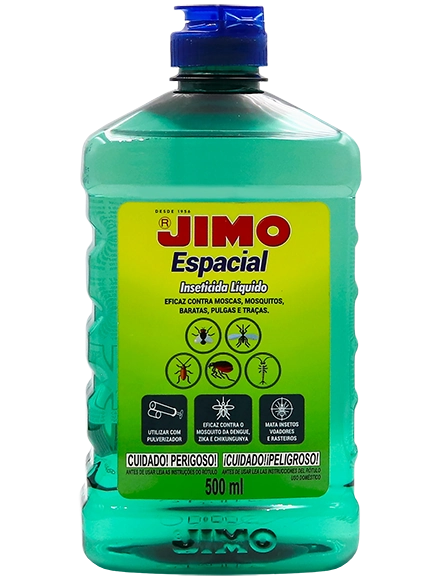
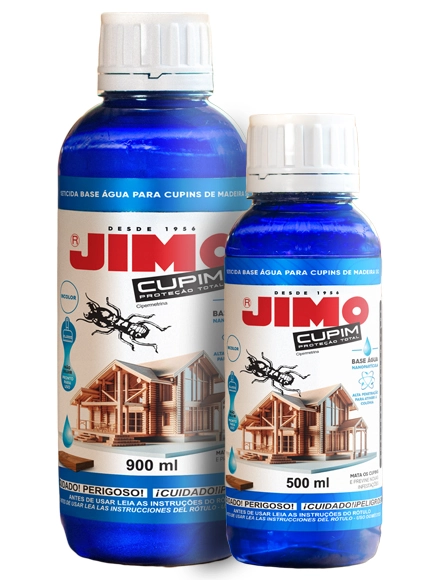
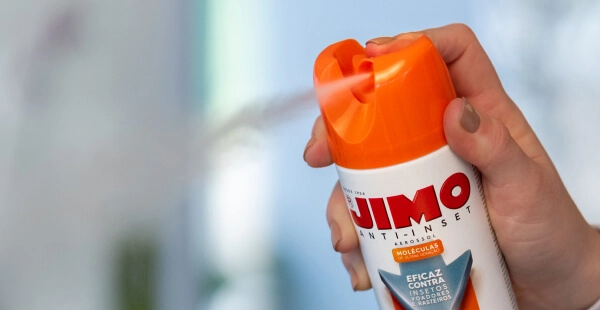
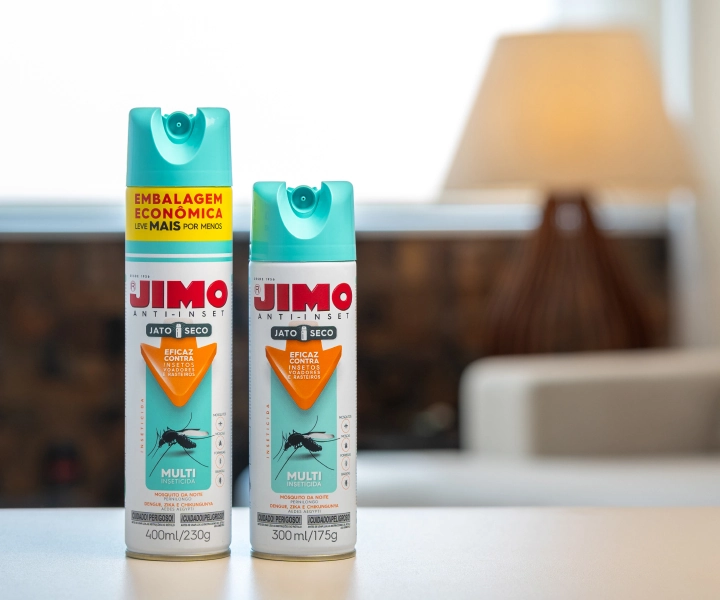
JIMO offers a complete line of insect killers, including against Aedes aegypti. Discover the main products:
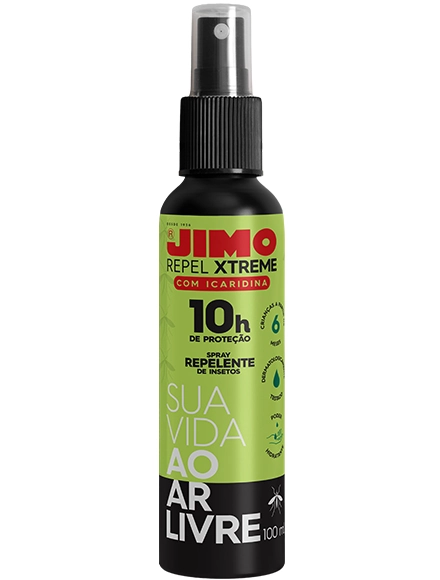
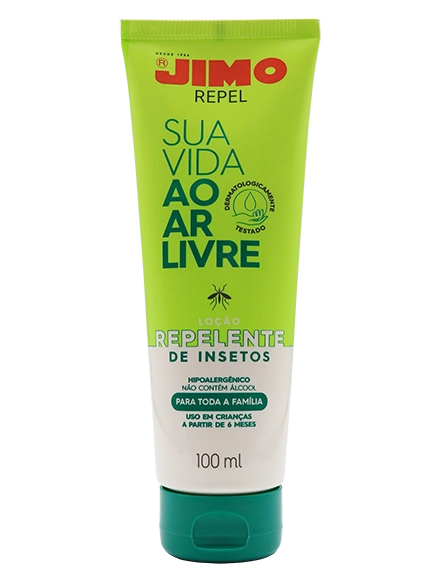
- JIMO Repel: long-lasting personal body repellent for daily use.
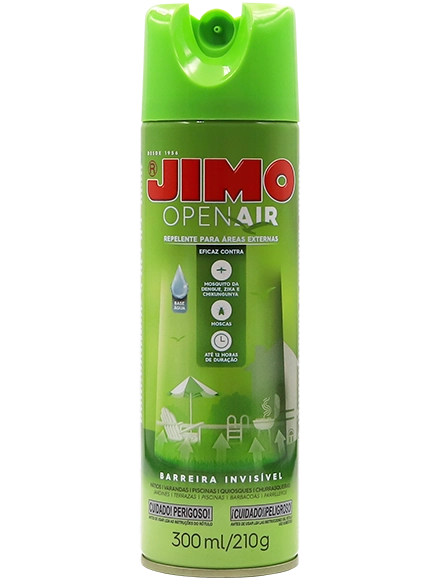
- JIMO Open Air Aerossol: ideal for outdoor areas, with effective action against mosquitoes and flies.
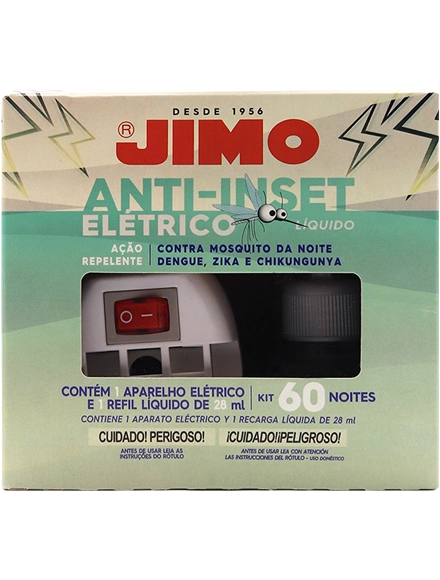
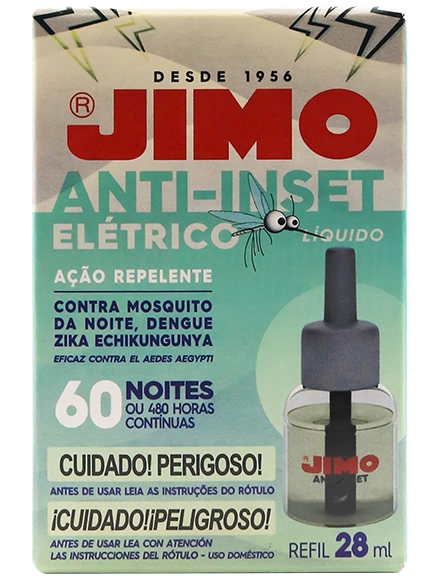
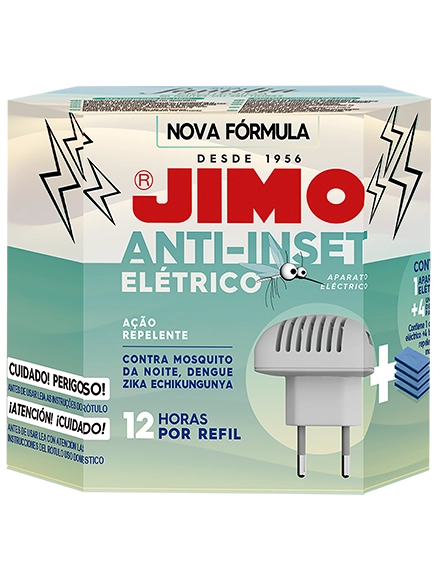
- Jimo Anti-Inset Kit 60 Noites: electric device with liquid or tablet refill.
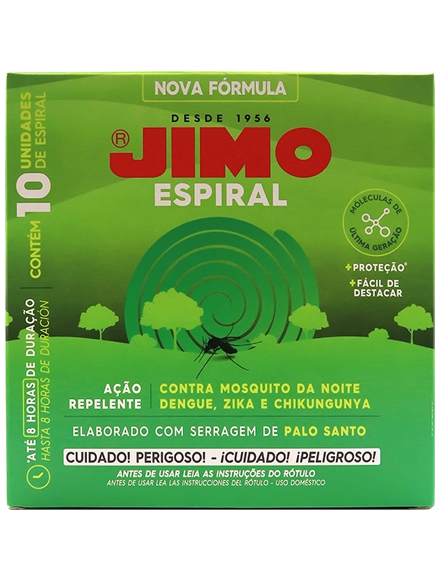
- JIMO Espiral: spiral repellent for open areas.
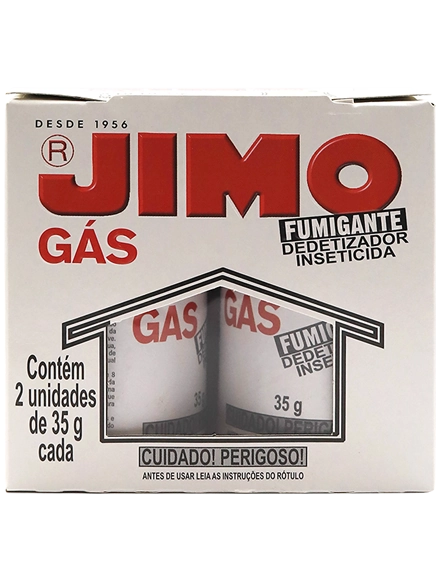
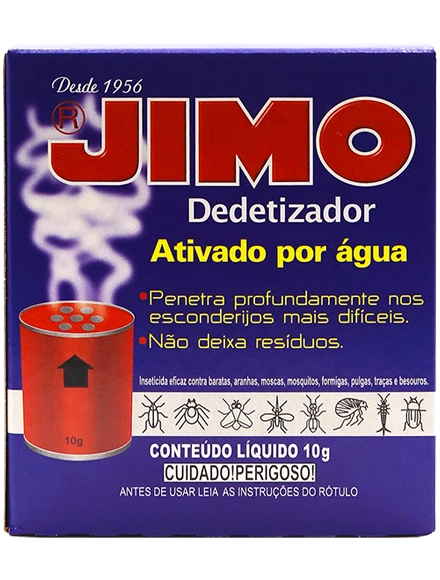
- JIMO Gás Fumigante
and JIMO Dedetizador: powerful solutions for severe infestations. Ideal for reaching difficult-to-access areas with their fumigating action.
Practical solutions for your home
JIMO offers products developed to make your daily life easier, with options for different types of application, insects/pests, surfaces, and environments.
Find the ideal products to make your daily life easier.