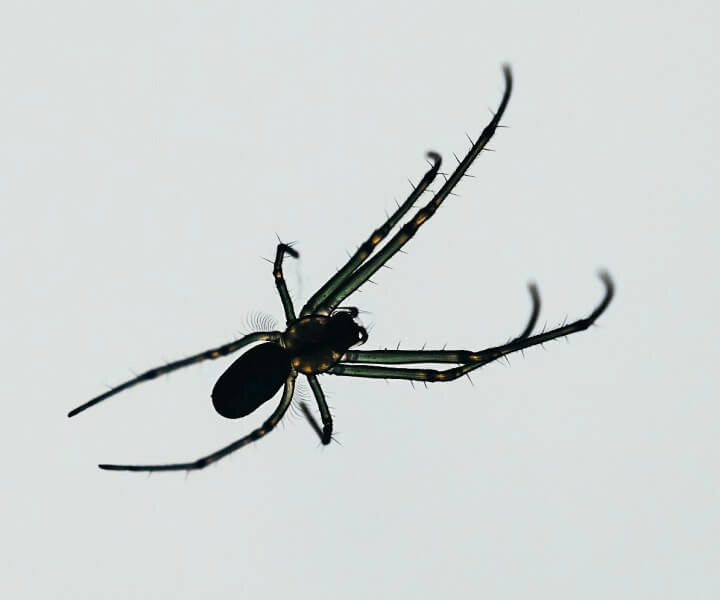
Just like ticks, scorpions and mites, spiders belong to the class Arachnida. There are approximately 35,000 species of spiders, and they inhabit almost every region of the planet.
These animals have great ecological importance, as they are natural predators capable of controlling insect populations that, in excess, would become pests.
Spiders differ from insects by:
- Having four pairs of legs;
- Producing webs;
- Most having four pairs of legs and eyes (although some species may vary)
They also have fangs to inject venom, which is used both to capture prey and to defend themselves.
Where do spiders live?
Most spiders are reclusive and prefer dark, sheltered environments, and can be found both inside and outside the home.
They build webs to catch their prey and, depending on the species, some prefer places with high humidity, such as:
- Bathrooms;
- Basements;
- Small spaces;
- Storage rooms;
- Attics
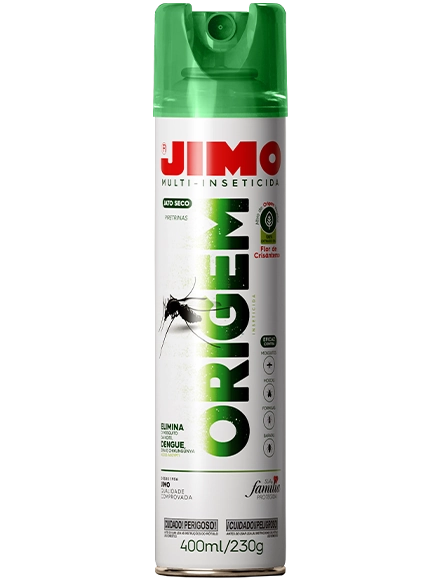
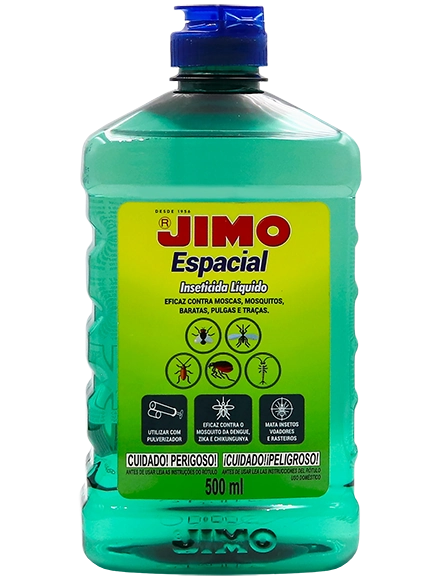
See more: full line of JIMO Mata Insetos.
Health risks
Only a few species are venomous to humans, but even so, spiders cause fear and aversion in most people.
Their bites may seem hardly noticeable, as they often anesthetize the area at the moment of the attack.
See also: Insecticide: complete guide, how to choose and apply
JIMO products against spiders
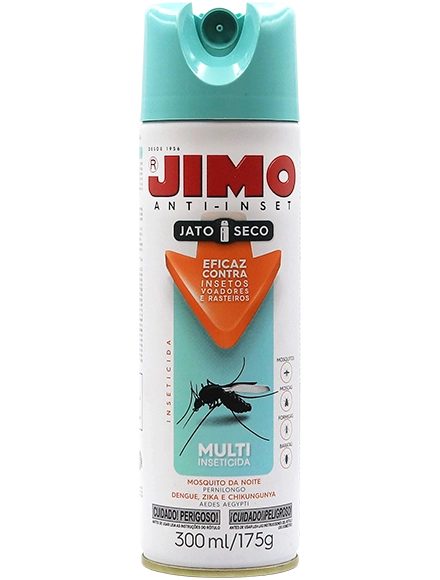
JIMO offers effective and safe solutions for spider control in residential and commercial environments:
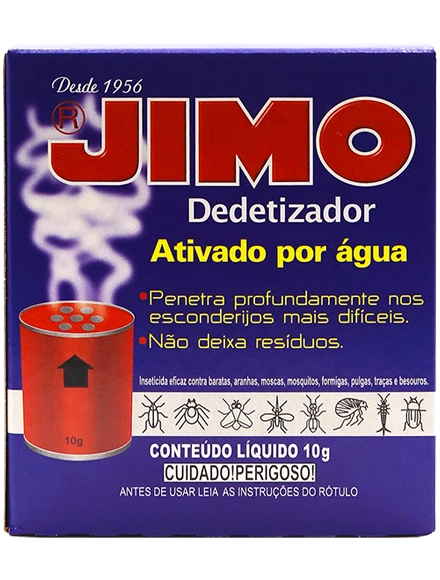
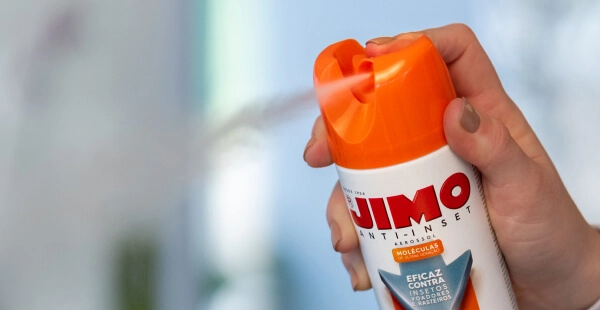
- JIMO Dedetizador: aerosol insecticide with direct and long-lasting action;
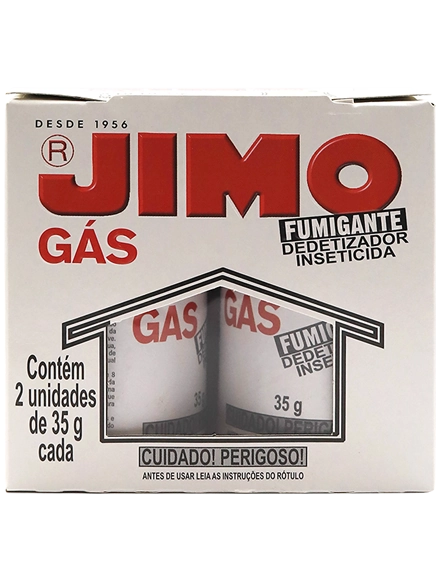
- JIMO Gás Fumigante: ideal for reaching hard-to-access places with its fumigating action.
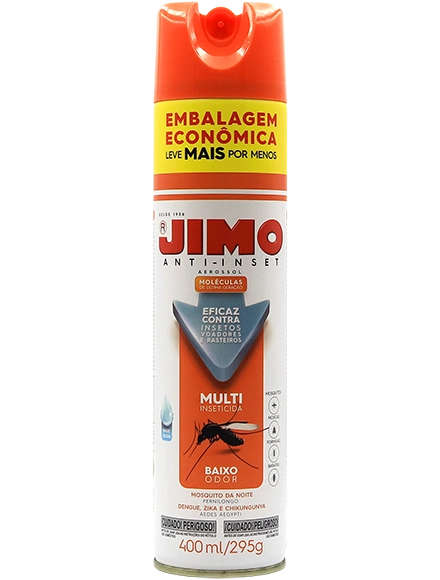
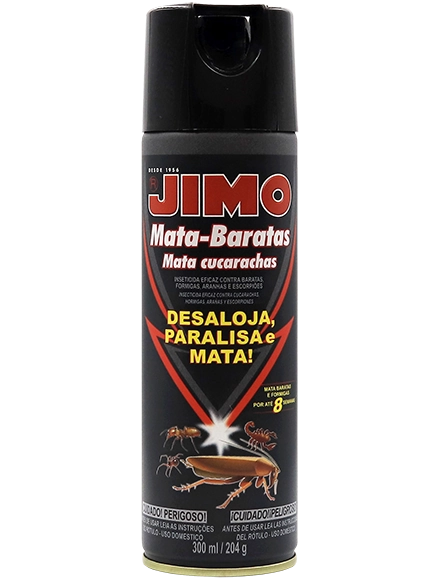
- JIMO Mata-Baratas Aerossol: also effective against spiders, with practical spray application.
Practical solutions for your home
JIMO offers products developed to make your daily life easier, with options for different types of application, insects/pests, surfaces, and environments.