Neste Artigo 
Neste Artigo
1 Produtos indicados
Using the washing machine is part of the home cleaning routine, but it also needs to be sanitized regularly. Over time, soap residue, fabric softener, lint, and moisture can build up in different parts of the appliance.
This buildup encourages unpleasant odors, mold, and dirt in areas such as the drum, filter, rubber seal, and detergent compartment. In some cases, the problem becomes noticeable in the clothes themselves, which come out of the wash with an unpleasant smell.
Knowing how to clean a washing machine properly helps preserve the appliance, improves washing hygiene, and reduces the chance of new odors. Below, see when to clean it, what to use, and the step-by-step process to sanitize each part without damaging the machine.
When is it time to clean the washing machine?
The dirt in a washing machine is not always visible at first. That’s why it’s worth paying attention to some warning signs in everyday use.
One of the most common is unpleasant odor, both inside the machine and on clothes after washing. Another frequent sign is residue buildup in the detergent and fabric softener compartment, with crusts, stains, or a slimy appearance.
Cleaning should also be part of the routine when there is dirt in the filter, residue accumulated on the rubber seal, dark spots in the drum, or a feeling that the machine is “grimy.” Even without apparent signs, periodic sanitization is important to prevent this buildup from progressing.
What to use to clean the washing machine without damaging it
When sanitizing the washing machine, the most important thing is to use suitable materials and follow the manufacturer’s guidelines. This helps remove residue without compromising parts, seals, or the washer’s finish.
For routine maintenance cleaning, some items are usually useful in daily care:
- soft cloth;
- soft sponge;
- soft-bristle brush;
- products recommended for cleaning the machine.
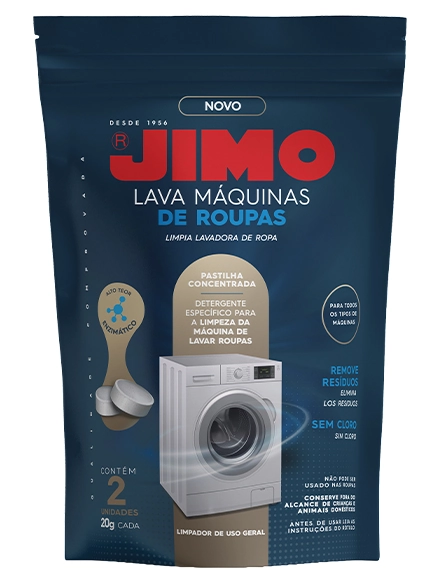
JIMO Lava Máquinas de Roupas: an ally in internal washer cleaning
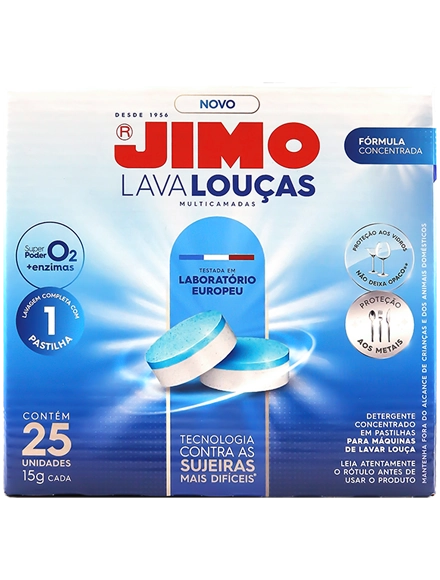
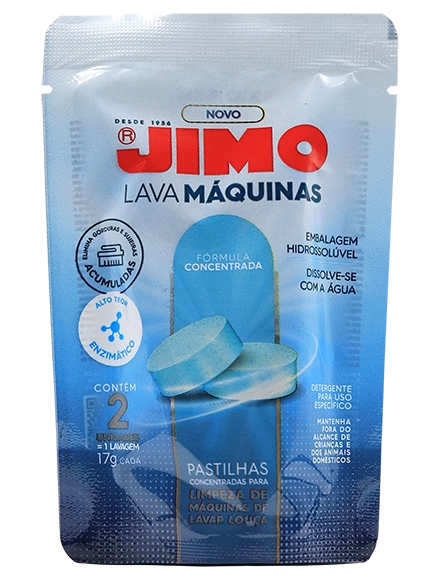
Among the products recommended for this care, JIMO Lava Máquinas de Roupas is a solution developed for internal cleaning of the machine. The product helps remove residues from fabric softeners, liquid or powder detergents, and other dirt accumulated with use.
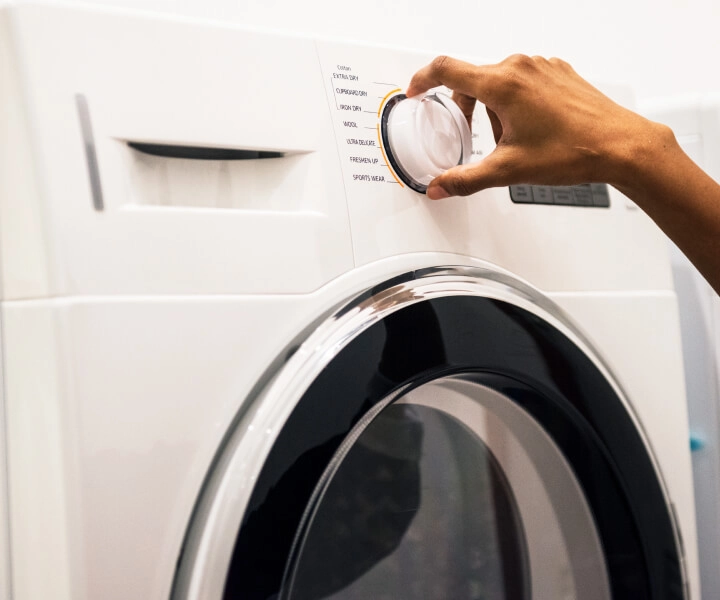
To apply it, the guidance is to use the product with the machine empty, on a long wash cycle or the cleaning cycle, with a high water level and the highest available temperature.
JIMO recommends using one tablet for machines up to 10 kg and two tablets for models with higher capacity. After the cycle, it’s worth wiping the drum with a damp cloth to remove residues loosened during cleaning.
How to clean a washing machine in 6 steps
A complete washing machine cleaning involves more than one area of the equipment. To avoid accumulated residues, unpleasant odors, and persistent dirt, it’s important to sanitize the parts that concentrate the most moisture and product residue in daily use.
Below, see how to clean each part of the washer in a simple and organized way.
1. Unplug the machine and do a general internal cleaning
Cleaning starts with the machine unplugged and empty inside. Then, a soft cloth or soft sponge helps remove visible dirt, product residue, and excess moisture from accessible internal surfaces.
At this stage, attention is focused on corners, crevices, and areas near the seal, where buildup is usually greater.
2. Clean the washing machine drum
After the initial cleaning, the drum also becomes part of the sanitizing routine. A soft cloth removes visible residues and prepares the machine for a more thorough cleaning.
At this point, JIMO Lava Máquinas de Roupas acts as an ally in the internal cleaning routine. The product is suitable for top-loading and front-loading machines and helps remove residues accumulated in the drum and other internal components.
After the cycle with the tablet, wipe the drum with a damp cloth to remove residues loosened during cleaning.
3. Remove and clean the detergent and fabric softener compartment
The detergent and fabric softener compartment often concentrates crusts, leftover product, and sticky dirt. When the model allows, the piece can be removed so that cleaning can be done separately. Residues are removed with a cloth, soft sponge, or soft-bristle brush.
The area where the compartment fits also deserves attention, as this point can accumulate moisture and product over time.
4. Check and clean the washing machine filter
The filter is among the most important points of cleaning because it retains lint and small dirt that come out of the clothes. The washer manual guides the location of the part and the correct way to remove it.
Remove the part and rinse it under running water to eliminate accumulated residues. Then clean the area around the fitting with a clean cloth. This care helps keep the machine cleaner and reduces the chance of unpleasant odor.
5. Clean the washing machine rubber seal, paying attention to the folds
The washer’s rubber seal tends to accumulate moisture, dirt, and residues in less visible areas. Before cleaning, check the machine manual for the manufacturer’s guidelines on how to sanitize the sealing rubbers.
In general, a soft, damp cloth can be used to clean the entire length of the piece, including the folds, where buildup can favor unpleasant odors. At the end, dry the area thoroughly.
In front-loading machines, the inner part of the rubber seal also requires attention after the cleaning cycle, because this area may not be fully reached during the process. In this case, follow the manual’s recommendations and finish cleaning with a damp cloth, when indicated.
6. Finish by cleaning the exterior of the machine
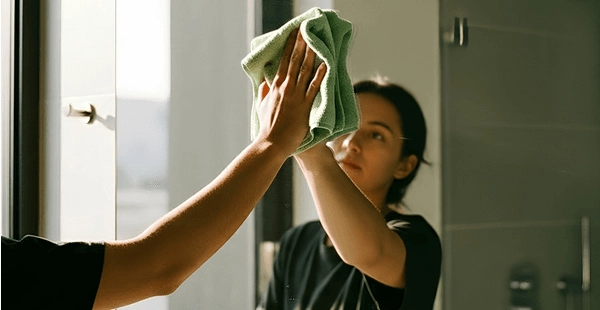
To conclude, a soft cloth lightly dampened removes dust, splashes, and superficial dirt from the lid, sides, and control panel of the washer, always with care around buttons and controls.
Direct application of water on the equipment should be avoided. This final step completes the washing machine cleaning inside and out.
Other content about home care
If you’ve made it this far, you may be interested in other home care content created by our team’s specialists. Check it out:
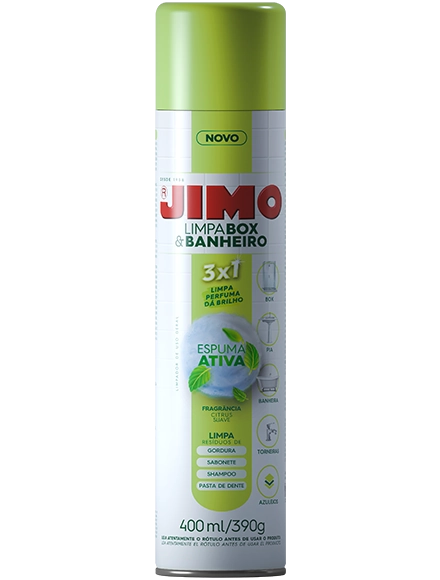
- JIMO Limpa Box & Banheiro: practical cleaning
- Homemade mix or foam? 10 tips for perfect glass cleaning | JIMO
- How to clean a mirror: easy, streak-free step by step
How to prevent unpleasant odors in the washing machine?
Preventing unpleasant odors in the washing machine depends less on a single action and more on a simple care routine. In daily use, odor usually appears when there is moisture buildup, soap residue, and dirt in points such as the rubber seal, filter, drum, and product compartment.
To reduce this risk, it’s worth adopting some practical habits:
- leave the lid or door open for a while after each wash;
- dry the rubber seal and other areas with visible moisture;
- clean the detergent and fabric softener compartment frequently;
- check the filter regularly;
- avoid excessive use of detergent and fabric softener;
- maintain a routine of internal washer cleaning.
These habits help prevent residue buildup and make it harder for unpleasant odors to form. When this care becomes routine, the machine stays cleaner and clothes tend to come out with a more pleasant smell after washing.
Keeping the machine clean helps prevent odors and residue
In this content, you saw how to clean a washing machine more thoroughly, considering the parts that accumulate the most residue, moisture, and dirt in daily use. Drum, filter, rubber seal, detergent compartment, and exterior need to be part of the routine to prevent unpleasant odors and keep the washer in good working condition.
It also became clear that manual cleaning can be complemented by an internal cleaning cycle, with the support of solutions developed for this care, such as JIMO Lava Máquinas de Roupas.
With a simple and frequent routine, it becomes easier to preserve the machine and ensure that clothes come out truly clean and fresh-smelling.
Frequently asked questions about how to clean a washing machine
What is good for cleaning the inside of a washing machine?
For internal cleaning, the ideal is to use products recommended for this type of care and follow the manufacturer’s guidelines. It’s also worth combining this process with manual cleaning of the parts that accumulate residue and moisture.
Can you put vinegar and baking soda in the washing machine?
This is a common question, but the use of homemade mixtures requires caution. As each washer may have specific recommendations, the safest option is to consult the manual before applying any solution not indicated for the equipment.
How to clean a washing machine that has been unused for a long time?
In this case, the ideal is to do a complete cleaning before using the washer again. It’s worth sanitizing the internal parts, cleaning the filter, rubber seal, and dispenser, and then performing a cleaning cycle with the machine empty.
If necessary, carry out the cleaning procedure with JIMO Lava Máquinas de Roupas more than once.
What to do when clothes come out of the machine with a bad smell?
When clothes come out with an unpleasant smell, it’s important to check for residue buildup in the drum, dirt in the filter, mold on the rubber seal, or excess product in the detergent and fabric softener compartment. These points are usually behind the problem.
Practical solutions for your home
JIMO offers products developed to make your daily life easier, with options for different types of application, insects/pests, surfaces, and environments.
Find the ideal products to make your daily routine easier.