Neste Artigo 
Neste Artigo
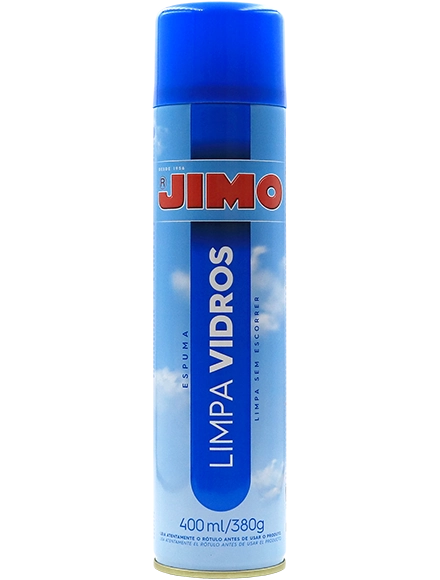
Cleaning glass is a task that requires more care than it seems, especially on large windows, fogged glass or car windows.
The shine does not always disappear due to lack of effort — often, the problem is the choice of product. While popular homemade mixtures may leave residue, cleaning foams offer deep action and an even finish.
Below, our specialists share 10 essential tips for cleaning different types of glass, choosing the ideal product and understanding why JIMO Limpa Vidros stands out for its efficiency and practicality. Check it out:
Before: what is the difference between homemade mixtures and glass cleaners?
Recipes with vinegar, dish soap, baking soda or alcohol became popular shortcuts — but they do not always deliver lasting clarity. Why?
Leonardo Linck, chemist and R&D director at JIMO, explains that these are not stable formulations and often the substances cancel each other out or require rinsing to avoid residue:
Some homemade mixtures can clean, but most do not stabilize pH or guarantee proper contact time. Combinations like acid with alkaline (e.g., vinegar + baking soda) neutralize each other and you lose performance. Even vinegar with alcohol can reduce effectiveness and require more effort and rinsing.
Glass cleaners developed in laboratories follow another logic: balanced solvents and surfactants, evaporation control and additives that facilitate streak-free drying. In addition to efficiency, they offer safety — without unpredictable mixtures or unnecessary risks.
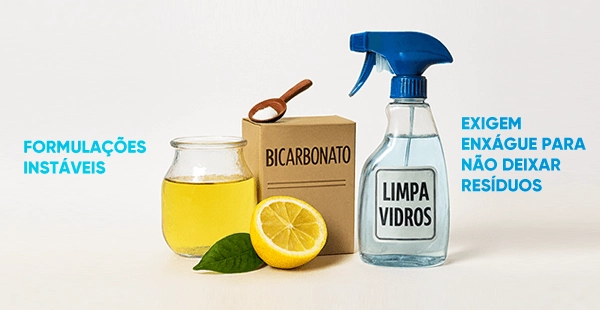
The goal of the formulation is to combine performance and safety. Unlike mixtures, it does not depend on improvisation, has controlled action and does not require water afterward to ‘fix’ the result.
Cleaning foam: what it is and why it makes a difference
Cleaning foam is an aerosol application designed for glass and vertical surfaces.
When applied, it creates a stable layer that adheres without dripping, increases contact time with dirt and facilitates removal with a dry cloth — without requiring water under normal use conditions. Practically, it allows:
- Greater adherence on windows, glass doors and mirrors (no dripping);
- Uniform action: dissolves residue without pushing liquid into gaps;
- Clean finish: you apply it, wait a few seconds and remove with microfiber, without needing water afterward;
- Reduced risk of fogging: when properly removed, it does not leave a film — “fogging” is usually leftover product not fully removed.
Cleaning foam represents a technological advancement in home cleaning, combining practicality, efficiency and chemical safety.
Designed for better adherence and water savings, it has become one of the key differentials of modern formulations — especially on delicate surfaces like glass, where every detail affects shine and clarity.
And what about liquid glass cleaners?
Liquid glass cleaners are the most common versions on the market. Sold in trigger-spray bottles, they work well on small and horizontal surfaces but have limitations on windows or shower doors because they run quickly.
According to Leonardo Linck, chemist and R&D director at JIMO, the issue is not the composition, but the application method:
When you use a liquid trigger spray, it starts running before it can fully act. On large areas like windows, the liquid enters gaps and frames and can even damage rubber seals. That’s why we developed foam application: it stays in place and cleans evenly.
Furthermore, liquid versions often require rinsing, which increases water usage and cleaning time.
Practical comparison between different glass cleaning products:
|
Product type |
Application method | Advantages |
Disadvantages |
| Homemade mixture | Made with vinegar, alcohol, detergent etc. | Low cost, easy to make | Substances neutralize each other, leave residue and require rinsing |
| Liquid glass cleaner | Trigger spray | Good cleaning in small areas | Runs, requires rinsing and may stain frames |
| Cleaning foam (aerosol) | Stable, adhesive layer | Uniform action, no dripping, no water needed. | Must be applied as instructed |
10 practical tips for cleaning glass efficiently and safely
Glass cleaning doesn’t have to be time-consuming or tiring — you just need the right product and proper application.
Below are 10 practical tips from JIMO specialists to ensure shine, clarity and long-lasting results with no complications.
1. Avoid homemade mixtures: they do not always clean effectively
Vinegar, alcohol and dish soap may seem like quick solutions, but they can react with each other and lose cleaning power. These mixtures also leave invisible residue that causes streaks and reduces shine over time.
Use products specifically designed for glass, with stable formulation and controlled pH.
2. Avoid using water: aerosols already perform complete cleaning
Cleaning foam products are designed to work without rinsing. The formulation creates a layer that dissolves dirt and evaporates in a controlled manner, leaving the glass clean and dry.
In addition to reducing water consumption, the process is faster and helps prevent streaks.
3. Remove the product thoroughly to avoid foggy glass
Foggy appearance is not a product defect — it means it was not completely removed.
After application, use a dry microfiber cloth or absorbent paper towel to remove all foam, leaving no residue. This keeps the glass shiny and streak-free.
4. Use the right cloths
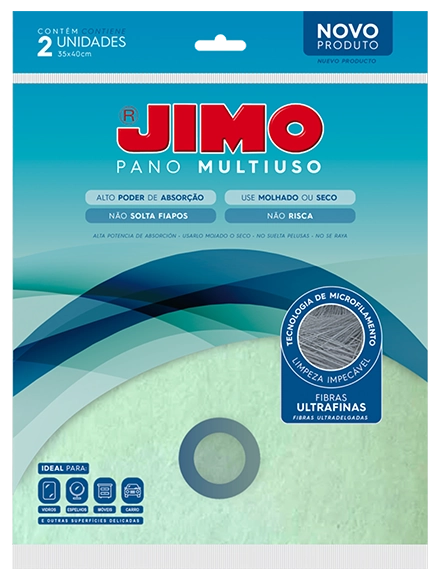
Avoid regular sponges and cloths: they scratch and leave lint. The ideal option is microfiber or paper towels, which remove foam without scratching and leave a clean finish. Fold the cloth and change sides whenever it becomes damp to avoid spreading residue.
5. Make simple and consistent movements
During cleaning, use circular motions to loosen dirt and finish with vertical or horizontal strokes.
This technique helps prevent streaks and ensures uniform shine, especially on mirrors and large glass surfaces.
6. Clean regularly
Regular cleaning prevents buildup of grease and environmental residue. Indoors, cleaning every 10 to 15 days is enough. In bathrooms or outdoor areas with humidity and dirt, weekly cleaning is ideal.
7. Use only the necessary amount
More product does not mean better cleaning.
Apply a thin, even layer of foam and wait a few seconds before removing. Excess makes drying harder and can leave the glass dull.
8. Prioritize safety during cleaning
Avoid mixing products and keep the area ventilated. Use gloves and dry cloths, especially in high places or near outlets and electrical equipment. If you need to reach high windows, use a stable ladder instead of chairs.
9. Match the product to the type of glass
Outdoor glass accumulates dust and pollution, while mirrors and shower doors collect grease and soap residue.
Choose the right formulation for each case and avoid using the same product on surfaces with films or delicate finishes. This ensures greater durability and prevents permanent stains.
10. Combine cleaning across different environments and surfaces
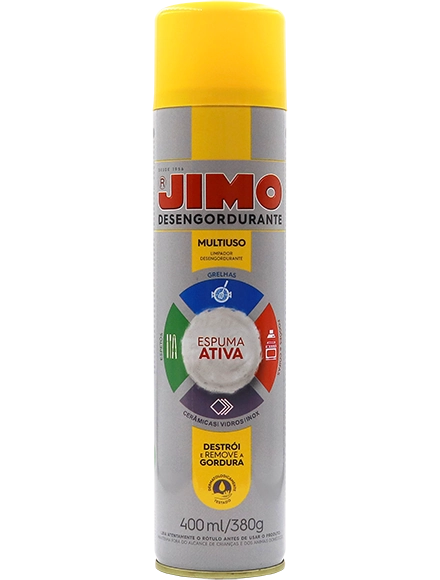
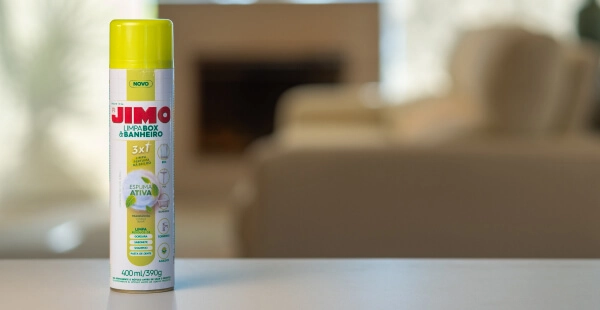
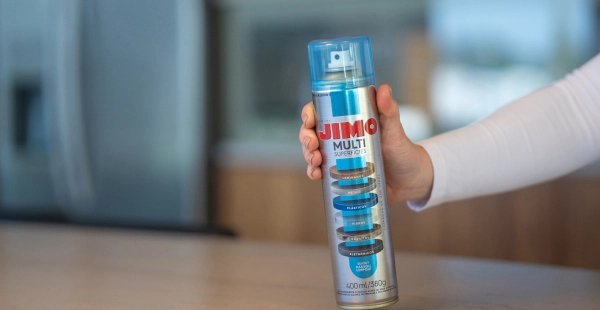
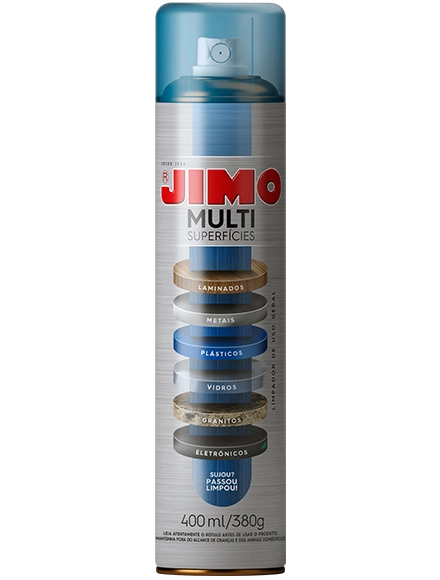
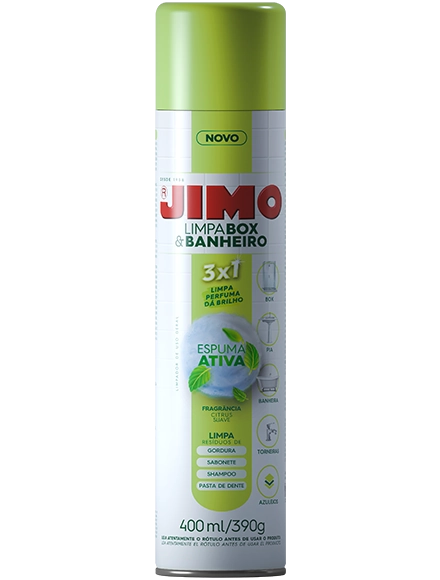
Each type of surface requires a different approach. While glass cleaner is ideal for windows and mirrors, limpa-box works best on areas with grease and soap scum, multisuperfícies is ideal for sinks and tiles, and degreasers remove tougher dirt.
By using each product according to its purpose, you ensure better performance, savings and surface preservation — keeping your home clean with less effort and no water waste.
TAKE CARE OF THE HOUSE: Learn more about the JIMO product line
Conclusion
Cleaning glass is simple when done with the right product. Cleaning foams emerged as a practical, sustainable innovation that makes daily life easier, saves water and delivers visible results from the first application.
By following the tips above and using each product according to its function, you ensure shine, transparency and durability — without effort or homemade mixtures that compromise results.
Practical solutions for your home
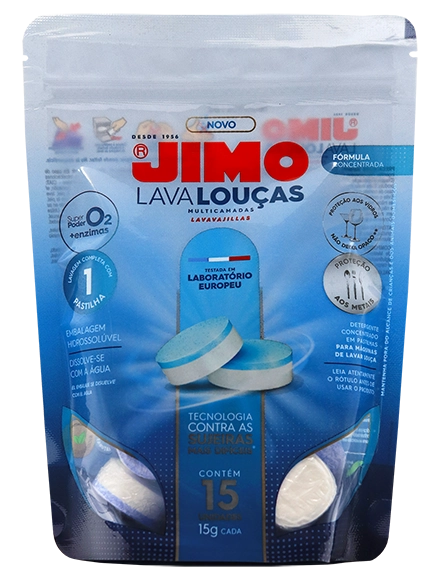
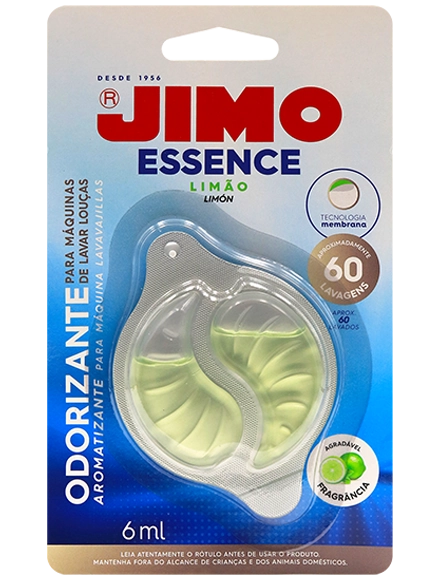
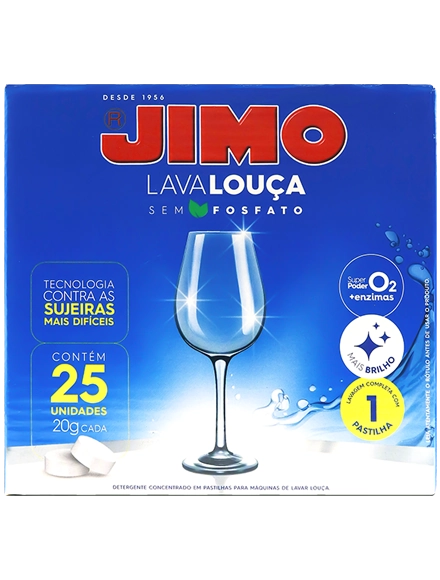
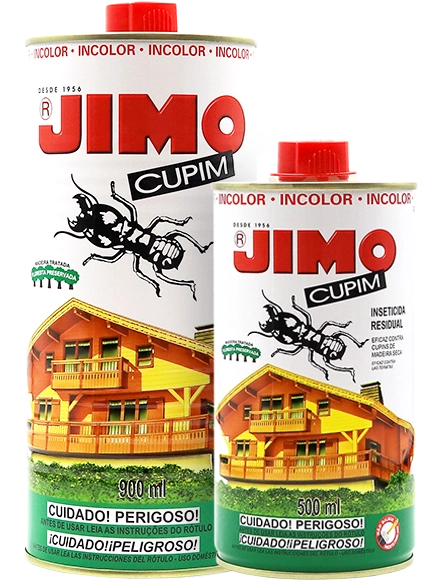
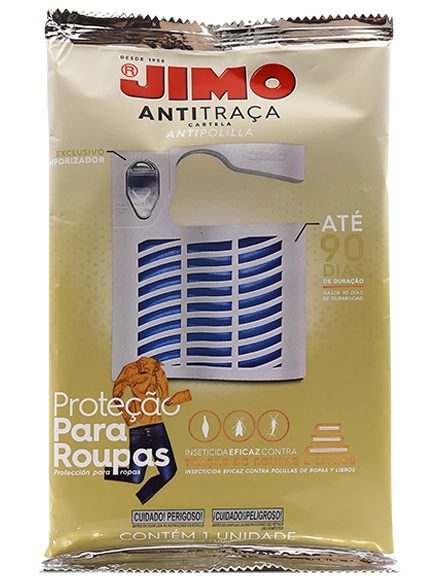
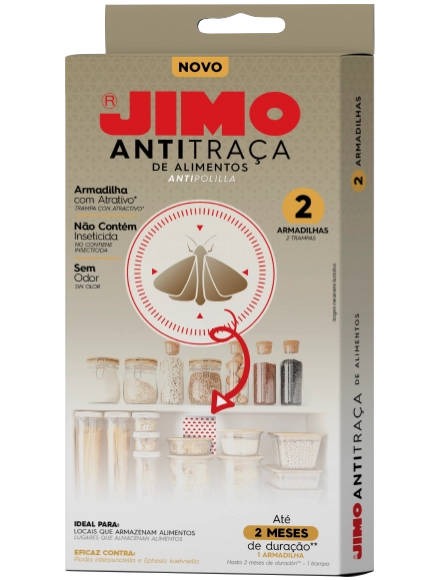
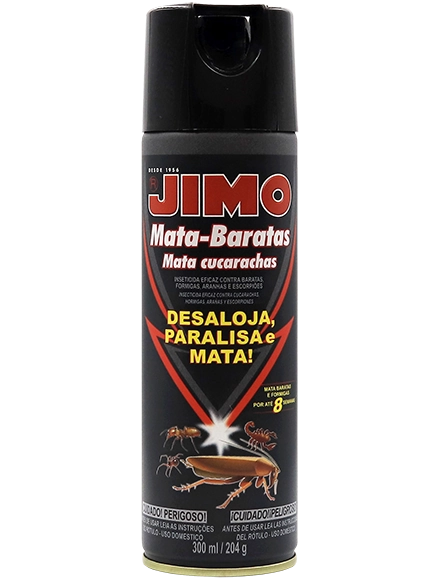
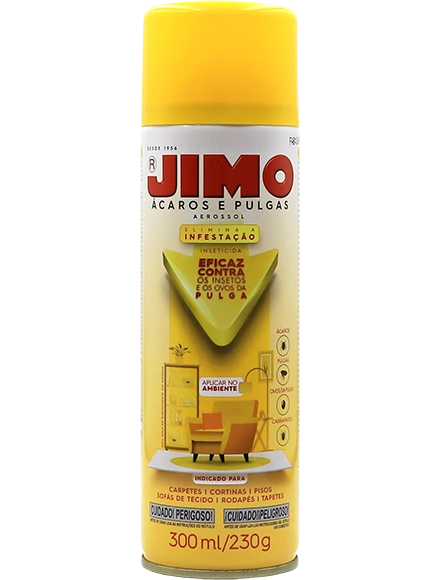
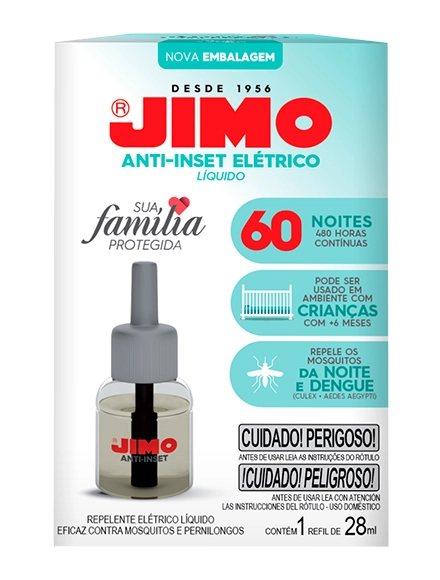
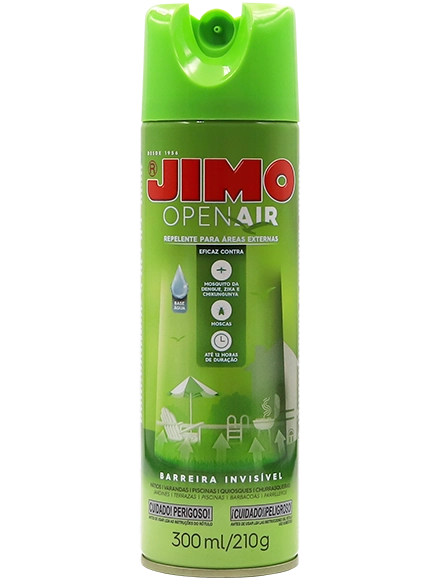
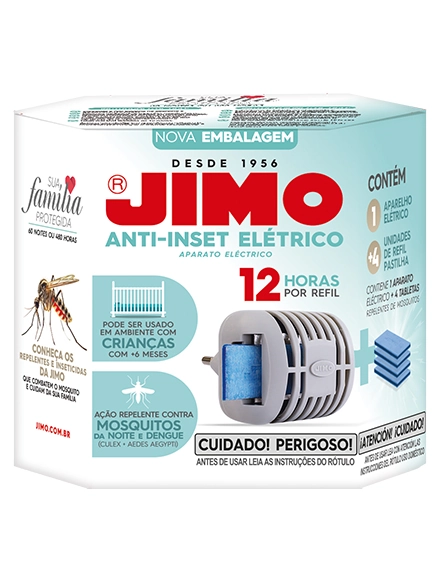
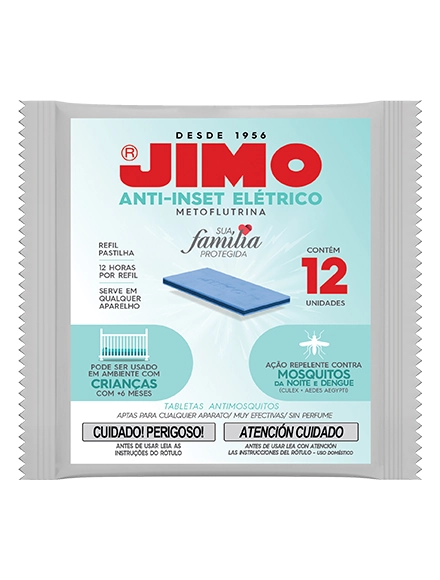
JIMO offers products designed to make your daily routine easier, with options for different types of application, insects/pests, surfaces and environments.
Find the ideal products to simplify your daily routine.