Neste Artigo 
Neste Artigo
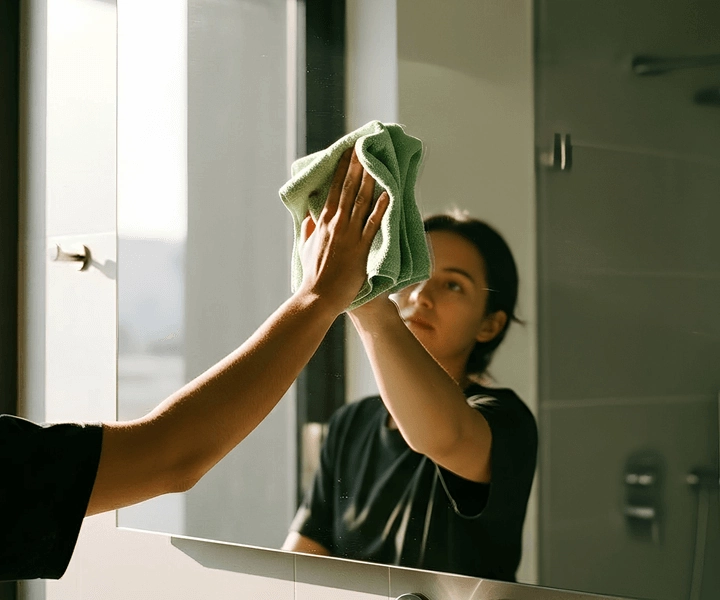
Knowing how to clean the mirror correctly prevents stains, scratches and that hazy look that appears in daily use. Dust, water splashes, hand grease and bathroom steam accumulate on the surface and hinder visibility.
Proper mirror cleaning depends on three main factors: the right product, the right cloth and the correct application technique. When these points are aligned, the glass stays clean, streak-free and with even shine.
This guide gathers the main questions in a simple step-by-step, with practical instructions and recommendations from JIMO for your cleaning routine.
What helps clean a mirror?
To truly clean a mirror, without streaks and marks, it’s helpful to organize a small cleaning kit. That way, whenever you need it, you already have everything at hand and avoid improvising with unsuitable products or cloths.
Here’s what is recommended for mirror cleaning:
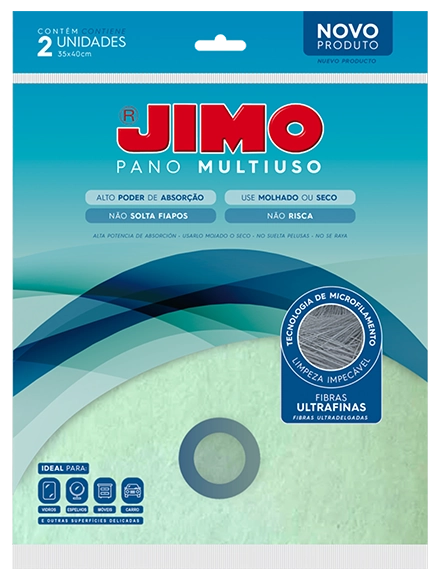
- a dry microfiber cloth to remove initial dust;
- water, when necessary, for recommended dilutions or for other cleaning products in your routine;
- a lightly damp microfiber cloth to apply the product;
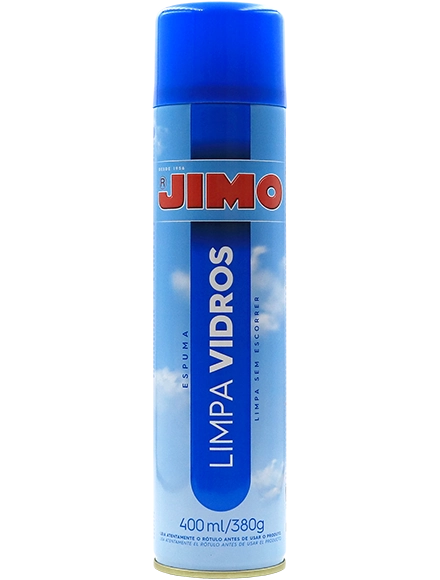
- JIMO Limpa Vidros, recommended for mirrors and smooth surfaces;
- paper towels or a dry, soft cloth for the final finish and complete removal of the product.
The formula of JIMO Limpa Vidros was developed to remove grease, fingerprints and everyday splashes, leaving the glass clean and transparent.
The product doesn’t run, doesn’t leave residue and helps achieve a streak-free result, as long as it’s applied with a clean cloth—preferably microfiber—following the label instructions.
Leonardo Augusto Linck, chemist and R&D director at JIMO, highlights:
When we developed the glass cleaner at JIMO, the idea was to solve the main pain points of our customers. We focused on three aspects: creating a product that wouldn’t run, that came in aerosol form and required no rinsing. When applied, it forms a foam that acts on dirt and is easily removed with a cloth or paper, leaving the glass clean and shiny.
How to clean a mirror in 6 steps
Cleaning a mirror becomes easier when you follow a clear sequence: prepare the surface, apply the right product and finish properly. This helps control product quantity, reduces streaks and saves time. See the full step-by-step:
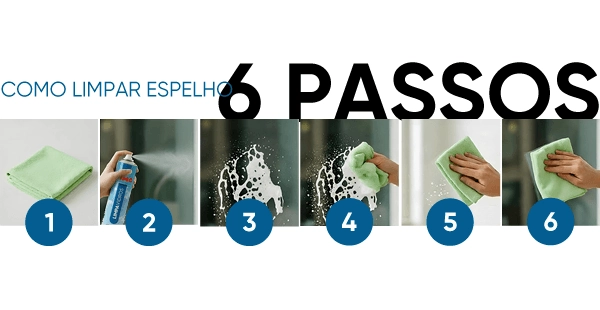
- separate a clean, dry microfiber cloth (such as JIMO Pano Multiuso, which doesn’t scratch surfaces and has high absorption power);
- spray JIMO Limpa Vidros directly onto the surface from about 20 cm away;
- let the foam act for a few seconds;
- remove it completely with absorbent paper or a dry cloth;
- repeat on areas with fingerprints or splashes, without scrubbing hard;
- finish with a dry microfiber cloth or paper towel until the mirror is completely dry. Repeat finishing only on areas that still show marks.
This procedure solves most daily-use situations. When the mirror is more heavily soiled, a few extra steps help.
How to clean a grimy mirror
Over time, especially in humid or high-traffic environments, the mirror may become grimy, with visible buildup around the edges and center. In such cases:
- start by removing dust with a dry microfiber cloth;
- apply JIMO Limpa Vidros to the cloth and wipe the entire surface using crosswise motions;
- let the product act for a few seconds on heavily marked areas before drying;
- finish with a dry cloth or paper towel, ensuring the edges are clean.
How to clean a greasy mirror
Mirrors installed near sinks, makeup counters or food-preparation areas often accumulate grease, cosmetic splashes and fingerprints.
For this type of dirt, the goal is to dissolve the grease without damaging the mirror. First, spray the product on the microfiber cloth, focusing on greasy regions.
Then wipe using gentle, repeated movements—avoid applying excessive force.
If needed, reapply the product to the cloth and repeat the process until the marks disappear.
How to clean an oxidized mirror
In mirrors installed in bathrooms, near sinks or very humid areas, dark spots may appear around the edges. This usually indicates early oxidation.
Oxidation is related to frequent contact of water and products with the back of the mirror. Therefore, cleaning must be even more careful:
- avoid excessive liquid, always applying the product to the cloth—not directly on the mirror;
- after cleaning, dry the edges and bottom part of the mirror thoroughly;
- take extra care with bathroom mirrors, car mirrors and wardrobe doors, which are more exposed to humidity.
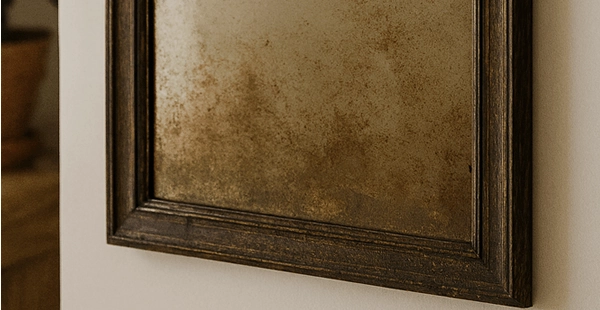
Proper cleaning cannot reverse oxidation stains already formed, but it helps slow the progression and prevent new spots from appearing.
See also: How to protect your wardrobe from mold and humidity
Why do mirrors stain easily?
Mirrors stain easily because they receive many types of dirt throughout the day. Dust and airborne particles create a thin film on the glass. In the bathroom, hot shower steam condenses into micro-droplets that dry unevenly.
Additionally, occasional hand contact leaves visible marks in several areas of the mirror.
In humid environments like bathrooms, this process intensifies. In outdoor areas, urban dirt accumulates faster. Mirrors near sinks or wardrobe doors receive direct splashes of water and products.
Since each dirt type reacts differently to glass cleaning products, choosing the right product and technique prevents rework and keeps the mirror clean for longer.
Care tips for large mirrors and shop windows
Large mirrors, shop windows and mirrored doors require more attention during cleaning. The area is bigger, the product runs easily and excess can reach frames, floors or electrical installations. Check out the necessary precautions.
Cleaning frequency and intensity
Large mirrors, shop windows and mirrored doors become marked easily. Instead of letting dirt accumulate for a heavy cleaning, consider maintaining a routine of quick, frequent cleanings.
- prefer light and frequent cleanings instead of scrubbing hard occasionally;
- in bathrooms with large mirrors, wipe lightly whenever splashes or fogging appear;
- shop windows and wardrobe mirrors accumulate dust and fingerprints faster and benefit from more frequent maintenance.
What not to use when cleaning mirrors?
Some materials seem harmless but can scratch the glass, damage the mirrored coating or leave residue that is difficult to remove. Avoid:
- abrasive sponges;
- steel wool;
- hard brushes;
- rough cloths;
- newspaper or thick paper, which increase friction and leave marks.
Avoid using harsh homemade mixtures, such as combining chlorine-based products, vinegar with other chemicals or solutions without proper guidance. Besides the risk of stains and mirror damage, these mixtures may release strong odors.
Amount of product and finishing
When cleaning large areas, excess product increases the risk of running and streaking. The best option is applying JIMO Limpa Vidros to the cloth—not directly to the mirror—and working in sections, always finishing with a dry cloth.
Leonardo Linck, R&D director at JIMO, reinforces the importance of proper finishing:
Fogging usually has nothing to do with the product formulation, but with how it’s used. When leftover product remains on the surface and is not fully removed, the glass looks cloudy or streaked. The solution is simple: apply the right amount and always finish with a clean, dry cloth.
Safety when using cleaning products
Always use products as directed on the label. Check if they are suitable for glass and smooth surfaces, respect dilution and contact time.
Keep packaging out of reach of children and pets, and in closed environments, apply small amounts to the cloth. This helps control odors and makes cleaning large mirrors and shop windows safer and more efficient.
Complete home care with JIMO
Cleaning mirrors is part of a broader home care routine. To keep environments organized and healthy, combine JIMO Limpa Vidros with other products from the Cuida da Casa line, which cover different daily-use surfaces.
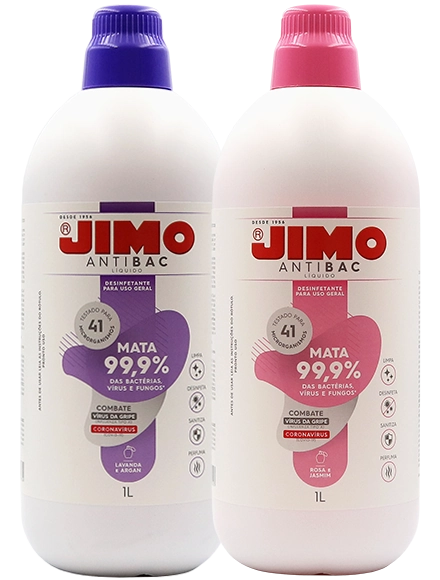
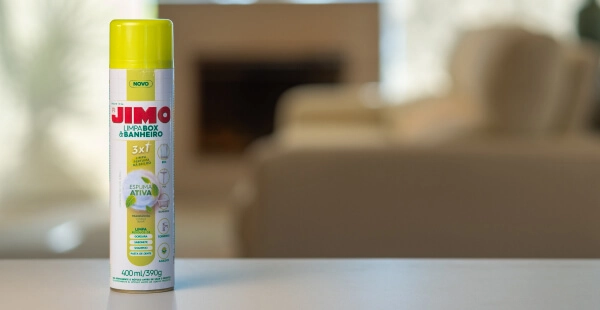
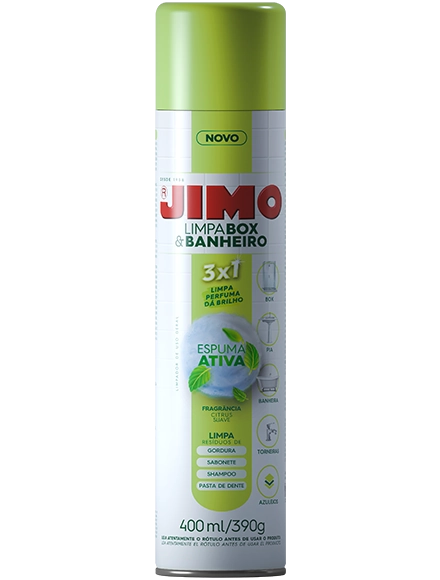
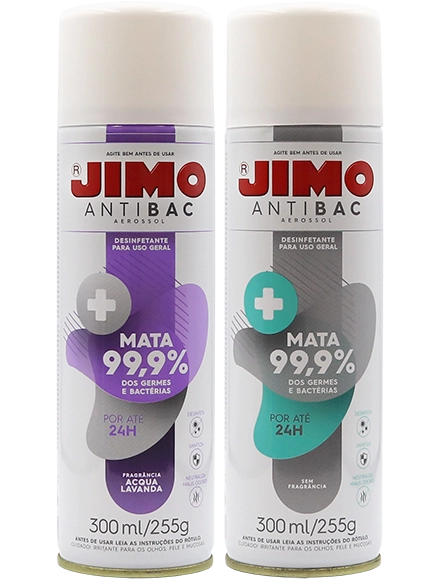
In the bathroom, JIMO Limpa Box & Banheiro helps remove soap, shampoo and cream residue, while JIMO Antibac contributes to disinfecting contact surfaces.
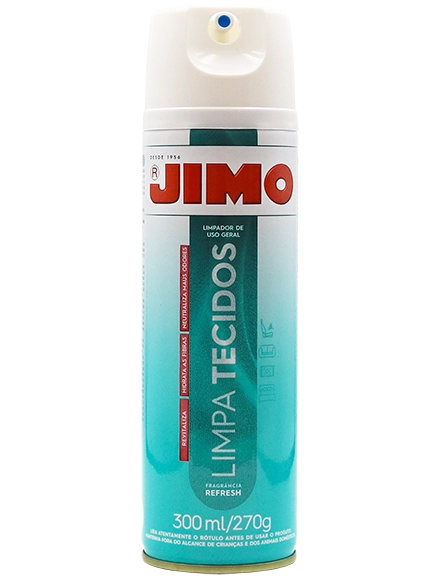
For fabrics, JIMO Limpa Tecidos Aerossol helps remove light dirt and odors from upholstery, chairs and curtains.
With the right products, you keep glass, furniture and surfaces always clean, without excessive effort and with proper guidance. Just follow the steps, respect usage instructions and create a simple care routine.
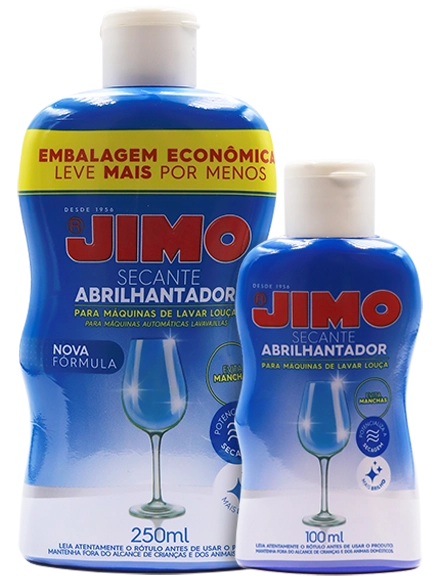
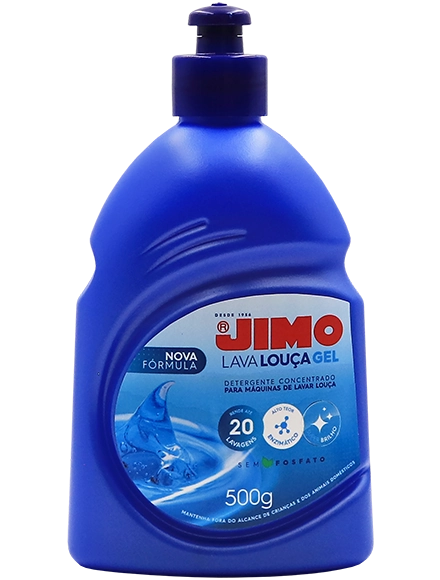
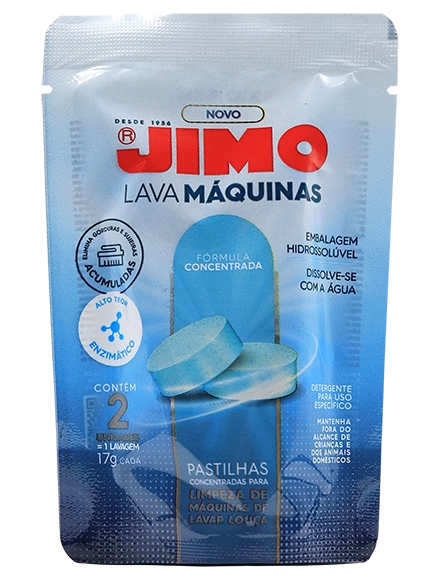
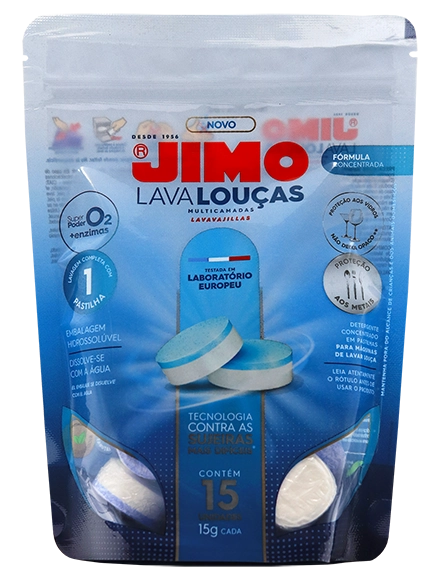
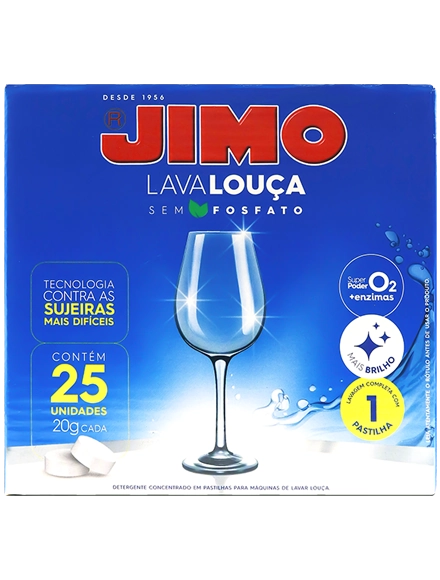
Also check out: JIMO Dishwasher Line – sparkling clean dishes
Frequently asked questions about mirror cleaning
What is the best way to clean mirrors?
The best way to clean mirrors is using a microfiber cloth and a product specifically made for glass and smooth surfaces. Applying the product to the cloth instead of directly to the glass helps control the amount and reduces the risk of streaks and seepage.
How do I clean a mirror so it doesn’t fog up?
To reduce fogging, besides regular cleaning, it’s essential to keep the environment ventilated. In the bathroom, after showering, open doors and windows so steam can dissipate. A good cleaning with a suitable glass cleaner removes residues that retain moisture and helps the mirror become clear again.
How can I clean a stained mirror?
When a mirror is stained, use a JIMO product developed for smooth surfaces, following the label instructions. Persistent stains may indicate damage to the reflective layer.
Practical solutions for your home
JIMO offers products designed to make your daily routine easier, with options for different applications, insects/pests, surfaces and environments.
Find the ideal products to make your routine easier.
“