Neste Artigo 
Neste Artigo
Dishwashers have been gaining more and more space in Brazilian kitchens. Amid a busy routine, the appliance has become a symbol of convenience, time savings, and better quality of life.
When used correctly — with the right dishwasher products and a few simple care practices — this appliance can deliver efficient cleaning and even consume less water than manual washing.
In this guide, JIMO’s team of specialists explains:
- How the dishwasher works;
- Which utensils can (or cannot) be washed;
- The ideal products for each cleaning stage;
- Practical tips to keep everything clean, spotless, and odor-free.
What is a dishwasher and how does it work?
The dishwasher is an appliance designed to simplify daily life, ensuring convenience and hygiene in cleaning household utensils.
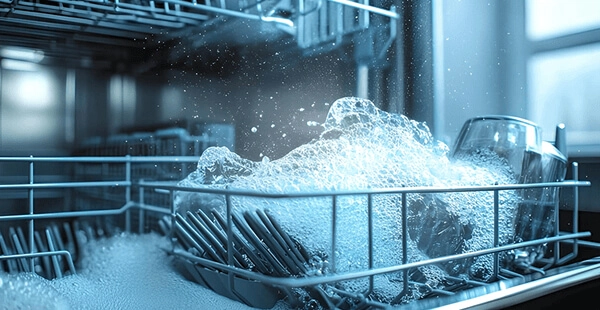
Its operation combines hot water, mechanical action (water jets), specific detergent and programmed cycles that simulate manual washing in a more efficient and economical way.
Today, it is possible to find different models and types, such as 14-place, 10-place, and 8-place dishwashers.
Washing cycles: pre-wash, wash, rinse and drying
Each dishwasher cycle has a specific role in the final result:
- Pre-wash: removes superficial residues;
- Wash: applies detergent with hot water at high pressure;
- Rinse: eliminates detergent and dirt;
- Drying: with hot air or ventilation, prevents water buildup and spots.
Water temperature and mechanical action
The temperature can vary between 45 °C and 70 °C, depending on the chosen cycle. Heat enhances detergent action and eliminates microorganisms.
The spray arms distribute water jets that ensure complete coverage of the utensils.
Average cycle time
The time depends on the model and program chosen, ranging from 30 minutes (quick cycles) to 2h30 (intensive cycles).
What do JIMO experts say about dishwasher efficiency?
The efficiency of the dishwasher goes far beyond simply spraying water and soap on utensils.
According to Leonardo Linck, chemist and technical director at JIMO, the secret lies in the precise combination of temperature, type of detergent, and action time:
The big advantage of the dishwasher is process control. You have high temperature, a specific alkaline detergent with the right pH, and enough time for it to act on the dirt. This is much harder to reproduce manually at the sink.
This engineering behind the washing process — with well‑defined cycles, hot‑water mechanical jets, and products formulated exclusively for the machine — is what allows grease, starch, protein, and even microorganisms to be removed more effectively and with less effort.
How to wash dishes in the dishwasher: step by step
Washing dishes in the machine with attention to a few simple care practices makes all the difference in the final result.
Following the correct steps helps ensure clean utensils without stains or residues — and also contributes to the durability of the appliance.
Below are the 5 steps to make the most of your dishwasher:
1. Remove food scraps
Before placing utensils in the machine, remove solid residues from plates, trays, and pans.
This prevents filter clogging, improves washing efficiency, and reduces the risk of bad odors inside the tub.
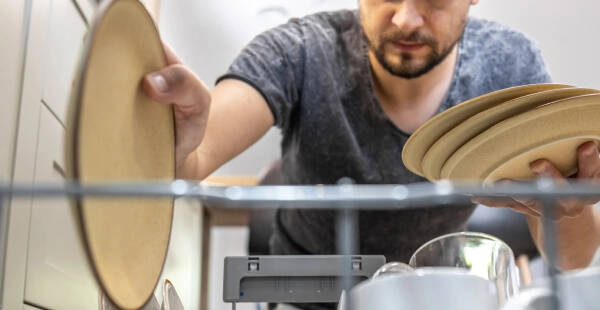
2. Arrange plates, glasses, and cutlery correctly
The way items are organized inside the dishwasher directly affects water circulation and cleaning performance.
- Plates and trays: should be placed on the lower rack, tilted and facing the center of the machine;
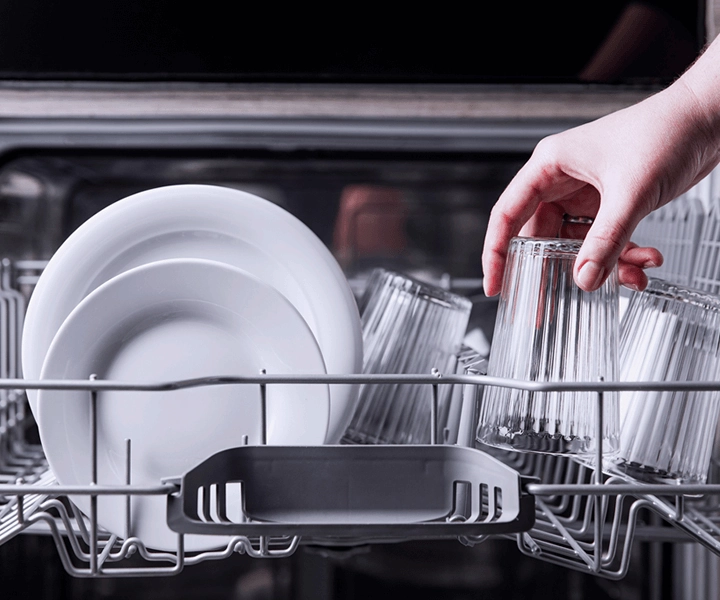
- Glasses, stemware and mugs: go on the upper rack, slightly tilted to avoid water buildup;
- Cutlery: should be placed in the basket, handles down, preferably alternating to avoid nesting.
3. Choose the ideal program
Modern dishwashers offer different cycles that vary in time, temperature, and intensity.
- Light cycles: recommended for lightly soiled dishes or delicate items;
- Intensive cycles: ideal for pans, greasy trays, or utensils with stuck-on dirt.
Attention: read your machine’s manual to understand which program best suits each type of dish.
4. Add detergent and rinse aid
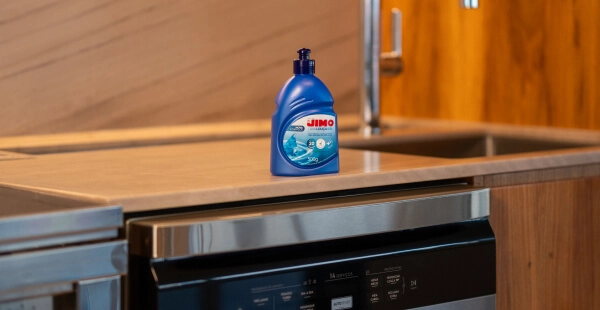
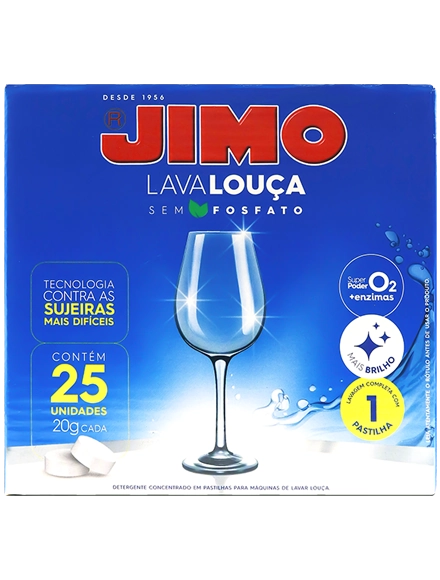
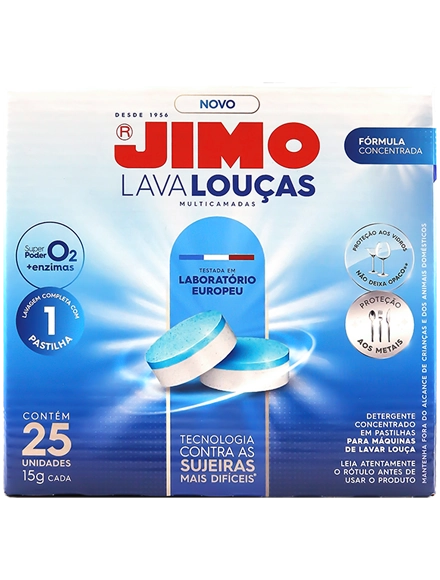
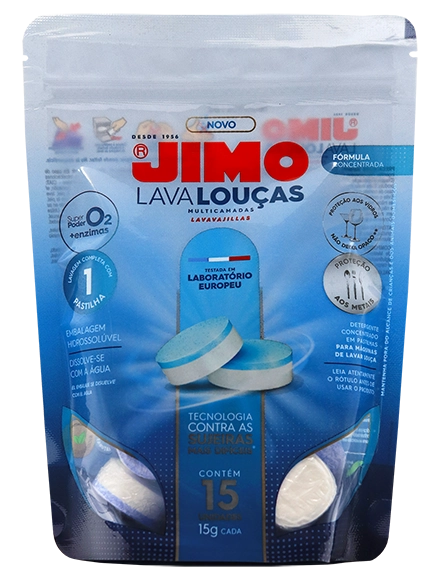
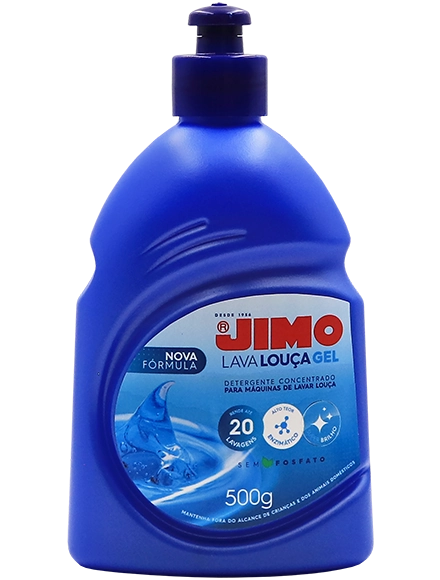
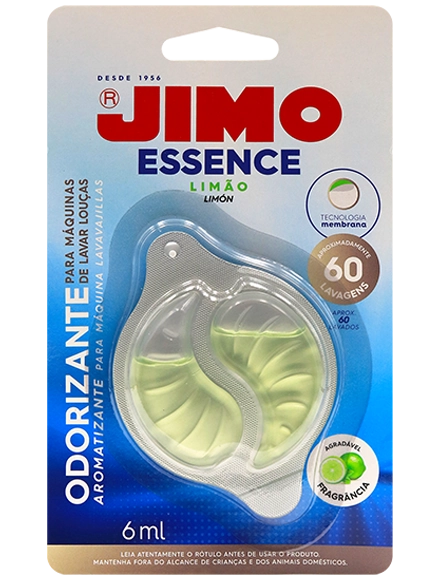
Always use dishwasher products, such as the JIMO Lava-Louças line, developed to ensure superior performance without compromising the appliance.
- Detergent removes dirt and grease;
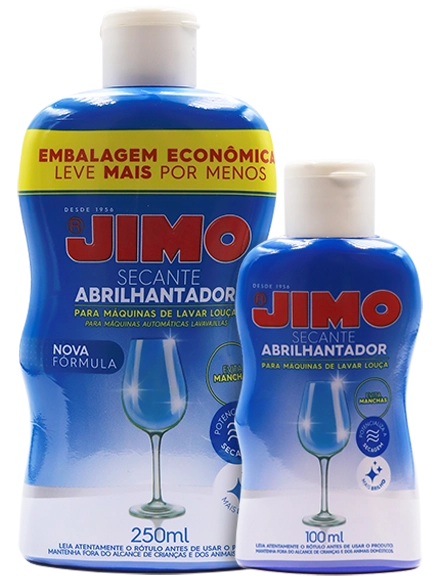
- The rinse aid (drying liquid) speeds up drying and prevents spots, especially on glasses and stainless-steel cutlery.
Follow manufacturer guidelines on where and how much of each product to place.
5. Tips to optimize space and prevent spots
- Avoid overloading the machine: this harms water circulation;
- Leave space between items to ensure uniform water jets;
- Avoid direct contact between metals and glass, as this may cause spots or friction during washing.
With these guidelines, your dishwasher will deliver much better performance.
Why does correct item placement make such a difference?
One of the main factors impacting washing results is how utensils are organized inside the machine.
Stacked plates, sideways glasses, and cutlery nested together disrupt water circulation and prevent detergent from acting evenly. Leonardo Linck warns:
The biggest mistake we see daily is poor utensil placement. Plates touching won’t wash well. A glass tipped on top of a stemware piece, tangled cutlery — all of this prevents the jet from reaching. Water needs to circulate.
He reinforces that each item has an ideal placement and that overloading the machine compromises washing performance. Correct positioning is just as important as using the right product.
Benefits of the dishwasher
As we’ve seen, the dishwasher offers a range of practical advantages for everyday life. Besides simplifying the routine, it also contributes to conscious water use.
Another important benefit is efficient hygiene: thanks to the combination of hot water and specific detergent, the machine removes stubborn dirt, bacteria, and odors more easily. Linck explains:
It works with higher temperatures than we can get at the faucet, so it can eliminate microorganisms more effectively. This brings more safety, especially in homes with children, elderly individuals, or those seeking greater health protection.
The time you save at the sink can be used for other activities — meaning more convenience and quality of life at home.
What should I know before buying a dishwasher?
Before purchasing the appliance, evaluate the space available in your kitchen and the number of place settings suitable for your routine.
A dishwasher is classified by its capacity in place settings, indicating how many pieces it can wash at once.
Each place setting typically includes a plate, a glass, a set of cutlery (fork, knife, and spoon), and a saucer — representing what one person uses in a meal.
Compact models work well for individuals or couples, while larger families may benefit from versions with 10 or more place settings.
It is also important to check voltage and whether the local plumbing is compatible.
Prefer machines with the Procel A energy efficiency seal and features such as quick cycles, smart sensors, and eco functions — which help save time and reduce consumption.
Finally, confirm whether there is authorized technical support for the brand in your region. This makes all the difference when it comes to maintenance and protects your investment.
What can or cannot go in the dishwasher?
Although the dishwasher is a practical ally, it is important to understand the usage limits for each type of material.
As explained by chemist Leonardo Linck, JIMO’s Technical R&D Director, “the machine’s detergent has an alkaline pH, so certain materials may react over time. It’s not that they are forbidden — but continuous use may cause wear on more delicate items.”
Most modern utensils are compatible with dishwasher cleaning, especially when properly positioned and used with the right products. See the main examples:
- Ceramic or porcelain plates (without metallic rims);
- Tempered glass cups and containers;
- Stainless-steel cutlery;
- Stainless-steel pans;
- Heat‑resistant glass bakeware.
Can you put glass in the dishwasher?
Tempered or thicker‑walled glass can be safely washed — as long as it is well positioned and not touching other items, to avoid scratches and friction.
Thinner glass, such as crystal or decorative glasses, is more susceptible to cracking due to the combination of hot jets and alkaline detergents. In these cases, handwashing is safer.
Can you put plastic containers in the dishwasher?
It depends on the type of plastic. The safest ones for dishwashers are those that withstand heat and detergent action, such as:
- Polypropylene (PP);
- Tritan;
- Reinforced polycarbonate.
Avoid thin, disposable, or fragile plastics, as they may melt, deform, or release undesired substances. “It’s not that plastic can’t go — the issue is whether it can withstand the machine’s cycle,” Linck points out.
Always check the bottom of the plastic item. Nowadays, products include symbols indicating whether they are dishwasher‑safe.
Attention: avoid placing these items in the dishwasher
Some utensils may react to heat, detergent, or internal friction in the machine. Here are the main cautions:
- Wooden utensils: they absorb moisture, deform, and may crack;
- Aluminum (especially polished): it darkens and stains with alkaline detergents;
- Nonstick pans (Teflon): the coating may wear out over time;
- Disposable plastics: they cannot withstand temperature and deform easily;
- Painted dishes or printed mugs may have the design fade with continuous machine use. Handwashing is recommended.
On this point, Leonardo Linck reinforces:
The main mistake is assuming the dishwasher can handle everything. You must observe the material, look for compatibility symbols, and understand that some wear only shows after several cycles.
Always check the compatibility symbol
Before placing any item in the machine, check on the bottom or packaging if it is labeled “dishwasher safe.”
This ensures the material withstands alkaline detergents, heat, and wash pressure — especially important for plastics, glass, and pans.
Pans that can go in the dishwasher
Several types of pans can go into the dishwasher — but attention to material, finish, and usage frequency is essential.
As highlighted by Leonardo Linck, chemist and JIMO’s Technical R&D Director:
Many people put aluminum pans in the dishwasher and then notice they turned dark. This happens because dishwasher detergent is more alkaline. Aluminum reacts, especially polished ones. The ideal option is to wash this type of pan by hand.
See the main care recommendations for each type of pan:
Stainless-steel pans
Stainless-steel pans are generally safe for the dishwasher. However, how they are positioned can directly affect the cleaning result:
- Avoid stacking items, which may cause scratches and prevent proper water drainage;
- Place pans with the opening facing downward;
- Use rinse aid to avoid drying marks, especially when the piece is in contact with glass or other metals.
Aluminum pans
It is possible to wash them in the machine, but frequent use may cause darkening and stains. This reaction occurs due to:
- High‑pH detergent;
- High water temperatures;
- Prolonged exposure to the machine cycle.
The specialist warns: “It’s not that the dishwasher ruins them. It’s that the chemical action of the detergent combined with heat accelerates wear in more sensitive aluminum.”
Polished, untreated surfaces are the most affected. To maintain shine and appearance longer, prefer handwashing.
Nonstick pans
Nonstick coating (Teflon) may lose efficiency over time if frequently washed in the machine.
Even with specific detergents, heat and cycle abrasiveness may accelerate wear of the protective layer. Therefore, the recommendation is:
- Wash by hand with a soft sponge and mild soap;
- Avoid high temperatures or abrasives that damage the coating.
Linck explains:
Most manufacturers recommend avoiding putting nonstick pans in the dishwasher. Over time, the nonstick layer loses efficiency, even if washing seems safe at first.
What is the best product for dishwashers: soap or detergent?
Unlike regular sink soap, dishwasher products are formulated with alkaline agents, enzymes, and mineral sequestrants — components that act directly on removing grease, starch, and proteins, even with hot water and without scrubbing.
For this reason, using common detergent or powdered soap in the machine is not only ineffective: it can generate excessive foam, compromise the washing cycle, and even damage the appliance.
As explained by Leonardo Linck, JIMO’s Technical R&D Director:
The best dishwasher product is the one specifically developed for this purpose. There’s no point improvising with sink soap, powdered soap, or regular detergent. The machine needs a product that works well with hot water, doesn’t create excess foam, and contains the right agents to remove grease, proteins, and carbohydrates. It must be alkaline but balanced. A good detergent dissolves quickly, leaves no smell, and rinses off easily.
The specialist states that gel is more practical for daily use, while tablets — especially multilayer ones — perform better for heavier loads or tougher cleaning.
This recommendation reinforces the importance of choosing specific solutions formulated to ensure high performance, machine protection, and the best results in every wash.
JIMO Dishwasher Line: gel, tablets, multilayer and more
There are different formats of dishwasher detergent, but not all offer the same level of effectiveness.
The ideal choice depends on the level of dirt, usage frequency, and of course, compatibility with your machine.
In the JIMO Lava-Louças line, all formats stand out for everyday convenience, as they were developed through extensive testing and evolved to adapt to the consumer’s routine:
- Dishwasher gel detergent: with a concentrated formula, ensures good dissolution and easy dosing. Ideal for light to moderate dirt, offering excellent yield without compromising performance;
- Dishwasher detergent tablets and multilayer tablets: combine detergent and enzymes in a single product, delivering complete cleaning, degreasing action, and intense shine. They are the best choice for larger loads or heavier dirt, with the advantage of total convenience.
- Dishwasher rinse aid: an essential complement to avoid stains and speed up drying, especially in cycles with glass and stainless steel. Regarding this product, Leonardo Linck reinforces:
Rinse aid is not just an extra. It speeds up drying and prevents those white spots, especially on glasses and stainless-steel cutlery. Without it, dishes may be clean but look dull or poorly rinsed. It’s an essential step.
JIMO products were developed to combine technology and results, delivering high performance while caring for the equipment and utensils.
It’s technology in favor of high-quality washing that takes care of your utensils and your machine.
Learn more: JIMO Lava-Louças Multilayer Tablet: how does it work?
Where to put the detergent correctly in the machine?
The correct place to add detergent in the dishwasher is the internal dispenser, usually located on the inside of the appliance door.
This compartment is designed to release the product at the ideal stage of the cycle, ensuring maximum cleaning efficiency. There are essentially two types of compartments:
- Flip or sliding‑lid dispenser (present in most models): ideal for gel, powder, or tablets.
- Dispenser with a separate rinse aid reservoir, present in models with intensive drying: in this case, the rinse aid is added in a specific compartment beside the detergent dispenser.
- Tablets: place one unit in the main door compartment. Do not open or break the soluble wrapping.
- Gel or powder detergent: measure the amount recommended by the manufacturer (usually between 20 and 25g or ml) and avoid excess.
Important: some newer models may have sensors that identify detergent amount or residual moisture.
In machines with automatic cycles, following the manual’s instructions ensures the best use of the products.

How to clean the dishwasher?
Grease residues, food scraps, and soap buildup accumulate inside the dishwasher over time, compromising washing efficiency, causing bad odors, and even reducing the appliance’s lifespan. As pointed out by JIMO’s team of specialists:
Many people think that because the machine washes dishes, it also cleans itself. But that’s not quite true. Over time, grease and invisible dirt accumulate on walls, filters, and spray arms. All of this affects performance. That’s why preventive cleaning is so important.
Preventive cleaning is simple and makes all the difference in maintaining your machine’s performance. Besides preserving washing efficiency, periodic cleaning:
- Prevents grease and sludge buildup on walls and filters;
- Prevents unpleasant odors;
- Reduces the risk of clogs and malfunctions;
- Helps keep plates and glasses always clean and spotless.
Step-by-step cleaning with proper products
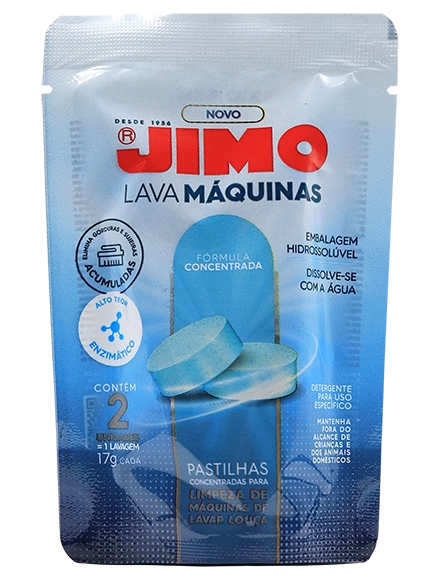
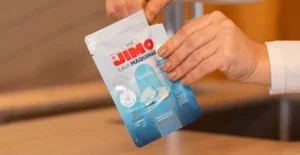
JIMO has developed a specific product to clean dishwashers, easy to use and highly effective. See how to use it:
- Remove visible residues of food and grease inside the machine, especially from the filter and door edges;
- Add the contents of JIMO Limpa Máquina Lava-Louças into the empty machine, preferably in the cutlery basket;
- Run a full cycle with the machine empty, preferably the hottest cycle;
- Repeat the process once a month or according to your dishwasher usage frequency.
Leonardo Linck, JIMO’s Technical R&D Director, reinforces:
Using the machine cleaner helps keep internal components unclogged, especially jets and the filter. I usually recommend consumers use it once a month, even if the machine looks clean. This prevents clogging and extends its lifespan.
This cleaning helps eliminate invisible dirt, unclog spray arms, and keep the appliance free from impurities that compromise washing performance.
Can vinegar be used for cleaning?
Even though it is a popular homemade solution, using vinegar in the dishwasher is not recommended. According to experts:
Vinegar is an acidic product. And most internal dishwasher parts are not made to withstand frequent acidity. It can corrode metal components, affect rubber seals, and it is not proven effective for removing grease or soap. The problem is that because it’s a popular homemade solution, many people use it thinking they are cleaning. But in the long term, vinegar can cause more harm than benefits.
How to eliminate bad odors from the dishwasher?
Bad odor is usually linked to the accumulation of organic residues that were not properly eliminated during wash cycles. The most common causes are:
- Food scraps trapped in the filter or internal corners of the dishwasher;
- Dirty or clogged filters, which accumulate grease and bacteria over time;
- Lack of ventilation, which traps moisture and favors odor development.
Regular internal cleaning is the first step to avoiding this issue. Additionally, some everyday habits help a lot:
- Leave the door slightly open after use, allowing air circulation and avoiding moisture buildup;
- Clean the filters weekly, removing food scraps before they decompose;
- Dry the door seals and edges, which often retain moisture and create odor over time.
Incorporating these practices regularly ensures not only an odor‑free dishwasher but also improved washing efficiency and longer appliance durability.
Conclusion
The dishwasher is a powerful ally for those seeking convenience, hygiene, and time savings in their home routines.
To maintain equipment performance and ensure spotless cleaning results, it is essential to follow good practices: from choosing the right products to properly organizing utensils and maintaining internal cleaning.
With the JIMO Lava-Louças line, you have specific and effective solutions for every stage of the process: high‑performance detergents, rinse aids that prevent stains and improve drying, and cleaners that care for the machine’s interior with proven efficiency.
Practical solutions for your home
JIMO offers products developed to make your daily life easier, with options for different applications, insects/pests, surfaces, and environments.
Find the ideal products to simplify your day-to-day routine.