Neste Artigo 
Neste Artigo
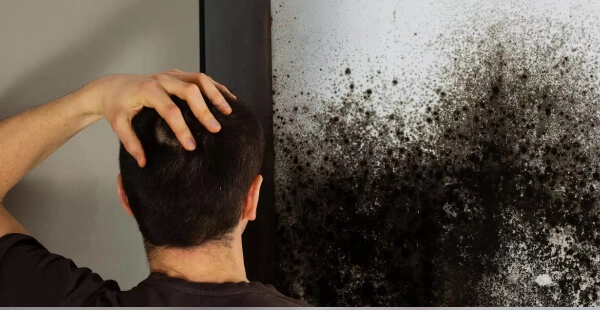
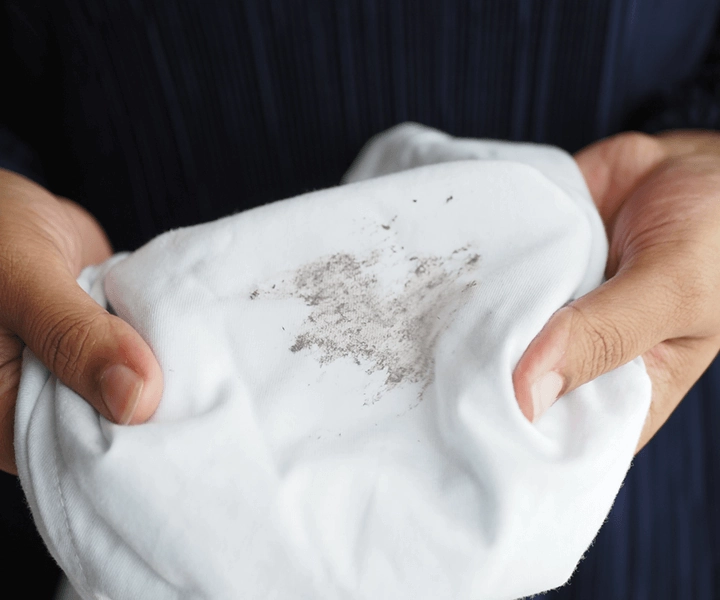
Finding mold on stored clothes is frustrating: in addition to causing stains and bad odors, it damages the fabric and can trigger allergies. This happens due to mold growth inside the wardrobe, where air humidity is usually higher.
The good news is that there are simple and effective ways to prevent the problem, keeping your wardrobe always clean, dry, and protected.
In this complete guide, you will understand why mold forms in this space, how it affects colored and white clothes, how to remove it, and which products to keep on hand.
Why does mold appear in the wardrobe?
https://www.jimo.com.br/en/blog/evita-mofo/mofo-o-que-e-riscos-para-saude-e-como-evitar/ mold is a type of fungus that develops in humid, poorly ventilated environments. Inside the wardrobe, it appears when clothes remain damp or are stored without proper air circulation.
Main causes:
- Storing damp clothes or items that were not fully dried;
- Closed wardrobes with no ventilation;
- Clothes touching cold or humid walls;
- High humidity in the room.
Besides the dark or greenish stains, mold leaves a characteristic odor and can weaken fabric fibers, reducing the durability of the items.
Once the problem has appeared, there are some quick ways to remove mold from fabric. See below:
How to remove mold from clothes? 3 practical tips
Before considering discarding the item, try a few methods. Always test any product on a small, hidden area of the fabric first.
Below, we’ve gathered 3 practical tips, including home methods, for mold removal.
1. With vinegar
- Mix equal parts white vinegar and water;
- Apply directly onto the stain;
- Let it sit for 30 minutes;
- Wash normally and dry in the sun.
Vinegar also helps neutralize odors, but it should be used carefully, especially regarding contact time.
2. Baking soda solution
- Mix baking soda and water to form a paste;
- Apply over the affected area;
- Gently scrub with a soft-bristle brush;
- Wash and dry well.
This method works best on superficial stains and resistant fabrics.
3. Bleach-based solution
- Dilute 1 part bleach in 4 parts water;
- Soak the item for up to 10 minutes;
- Rinse thoroughly and dry in the sun.
Never mix bleach with vinegar or other products. Attention: this option is only for white and resistant fabrics. Learn more below:
How to remove mold from colored and white clothes?
Each type of fabric and color requires specific care when removing mold. Using the wrong technique may damage the fibers, stain the fabric, or worsen the issue. Therefore, it’s important to adapt the cleaning process for each item.
Mold on white clothes
For white and resistant items, diluted bleach or chlorine-free whitening products are effective in removing stains and disinfecting the fabric.
Ideally, dilute the product before applying it, allow it to act for the recommended time, and rinse thoroughly to prevent residue that could cause yellowing.
Whenever possible, dry these clothes in the sun, as sunlight helps boost whitening and eliminate microorganisms.
Mold on colored clothes
Colored items require extra care to avoid fading. Milder methods, such as using white vinegar or baking soda, are recommended to preserve color and fabric integrity.
Wash with mild soap and rinse thoroughly to remove any residue. Dry in the shade, in a ventilated area, to avoid fading and preserve the brightness of the colors.
Always test the cleaning method on a small, hidden area before applying it to the entire stain.
How to prevent mold formation on clothes?
Preventing mold is easier than removing it. Prevention involves keeping the wardrobe dry and well‑ventilated so fungi cannot find ideal conditions to grow.
Care with storage
The first step is ensuring all clothes are fully dry before storing them. Even slight moisture can eventually turn into stains and mold odor.
Avoid overstacking clothes, as this limits air circulation between fabrics.
Use products to prevent mold in wardrobes and cabinets
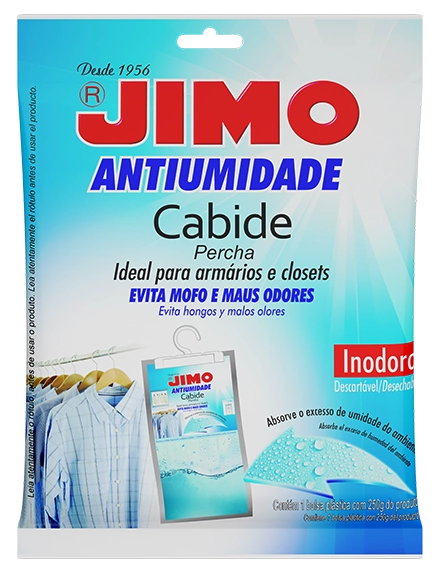
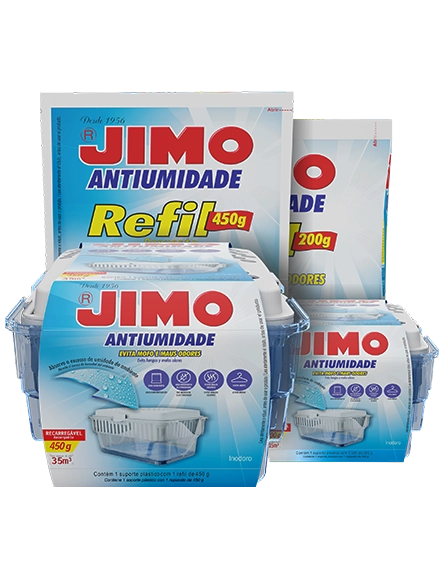
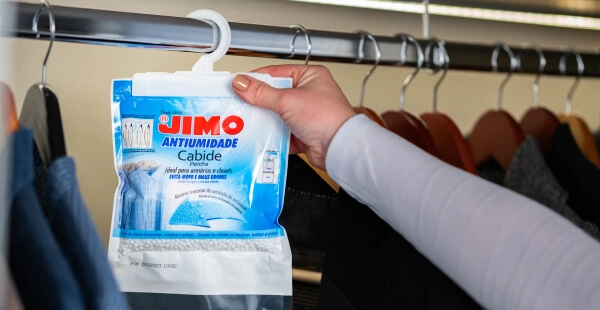
Another effective measure is using https://www.jimo.com.br/en/product/jimo-antiumidade-cabide/JIMO Anti Umidade in wardrobes and closets. This product helps control internal humidity levels, creating an environment unfavorable to mold and prolonging the lifespan of fabrics.
Importance of ventilation when storing clothes
Air circulation is essential to prevent mold. Whenever possible, open doors and drawers to renew the air inside the furniture. Keep wardrobes away from cold or damp walls, as these surfaces can transfer moisture to the clothes.
In regions with naturally higher humidity, using fans or dehumidifiers is recommended to keep the area drier and well‑ventilated, significantly reducing the risk of fungal growth.
Combine humidity control with periodic ventilation to create a double barrier against mold and continuously protect your clothes.
JIMO solutions from the Evita Mofo line
To keep your clothes protected from humidity and mold, JIMO offers solutions that work 24 hours a day.
In the Evita Mofo product line, you will find options specifically for wardrobes, such as sachets, as well as moisture-absorbing containers that remove humidity from the air, preventing mold and improving air quality.
Both can also be found in the https://www.jimo.com.br/en/product/jimo-antiumidade-kit-aparelho-refil/Kit Anti Umidade versions, offering better value since the device does not need to be discarded after first use.
Additionally, JIMO offers other complementary home‑care products, such as:
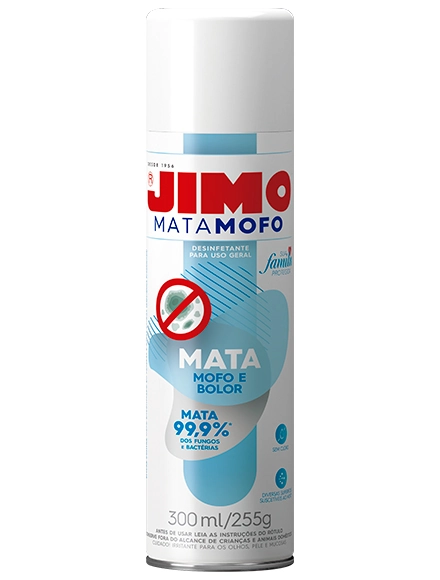
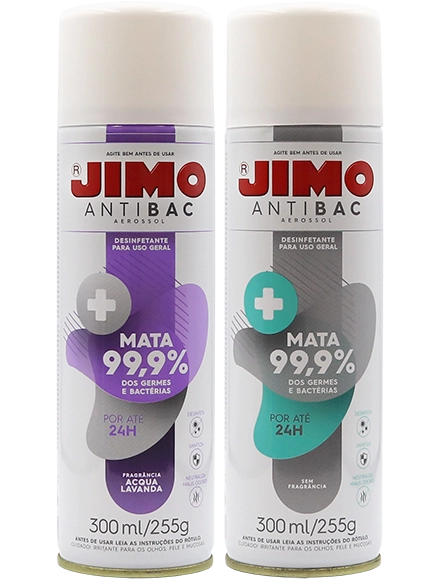
- https://www.jimo.com.br/en/product/jimo-antibac-aerossol/JIMO Antibac aerossol;
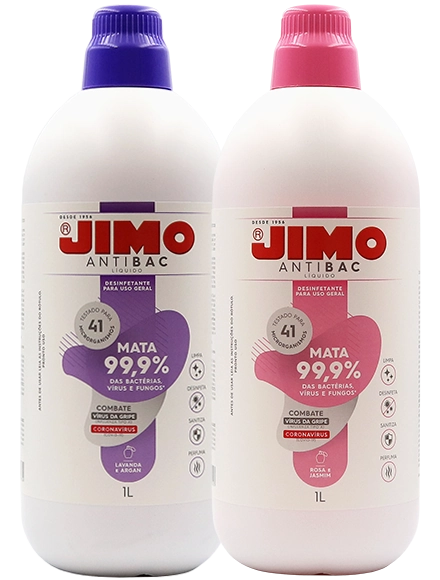
- https://www.jimo.com.br/en/product/jimo-antibac-liquido/JIMO Antibac líquido;
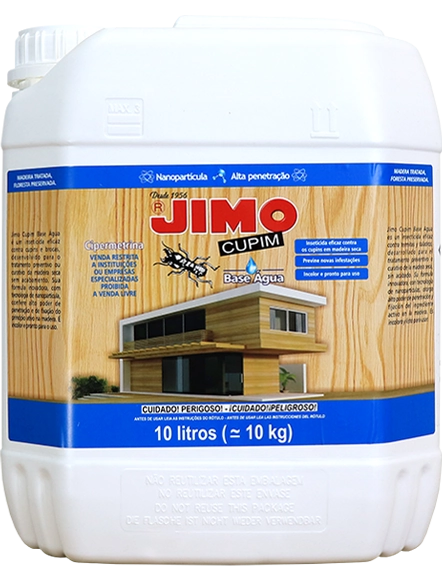
- https://www.jimo.com.br/en/product/jimo-cupim-base-agua-10l/Jimo Cupim – Base Água 10L e more!
This combination ensures complete protection for clothes and other moisture‑sensitive items.
As highlighted by Leonardo Linck, JIMO R&D Director:
Controlling humidity is the first barrier against mold. Products like JIMO Anti Umidade and the JIMO Evita Mofo line offer continuous, silent, and effective protection, preserving not only clothes but also the comfort and health inside the home.
https://www.jimo.com.br/en/linha/prevents-mold/EVITA MOFO – Learn more about Jimo Química Industrial LTDA.
Conclusion
In this content, you learned how to remove mold from clothes using 3 practical tips, as well as specific products for prevention inside wardrobes and throughout the home.
With the right methods, it is possible to restore mold‑stained clothes and prevent the problem from returning. The key is combining effective cleaning with continuous prevention.
Frequently asked questions about removing mold from clothes
What works to remove mold from clothes?
White vinegar, baking soda, and — for white clothes — diluted bleach are effective methods to remove stains and odor.
How to remove mold from colored clothes?
Use vinegar or baking soda to prevent fading. Wash with neutral soap and dry in a shaded, ventilated area.
Can you remove mold from white clothes?
Yes. Use diluted bleach or chlorine‑free whitening products, rinse thoroughly, and dry in the sun.
How to prevent mold in stored clothes?
Store only fully dried clothes, keep wardrobes ventilated, and use https://www.jimo.com.br/en/product/jimo-antiumidade-kit-aparelho-refil/JIMO Anti Umidade or the https://www.jimo.com.br/en/product/jimo-antiumidade-cabide/JIMO Evita Mofo line to control humidity.
When to seek professional help?
When mold is deep‑set or affecting delicate fabrics such as silk, linen, or leather, seek specialized dry‑cleaning services.
Practical solutions for your home
JIMO offers products designed to make your daily routine easier, with options for different types of application, insects/pests, surfaces, and environments.
https://www.jimo.com.br/en/produtos/Find the ideal products to simplify your daily routine.
“`html